Showing posts with label Yoga. Show all posts

Wednesday, February 4, 2009

Miracles of Yoga in Improving Memory Power

When you fail to remember something, which you have read, heard or seen and cannot remember despite several efforts then it is called loss of memory power or forgetful-ness. People of all age groups are suffering due to this problem. There are a number of reasons for this problem. For example, mental tension, excessive mental work or not using it at all, busy schedule throughout the day, physical and mental weakness or serious head injury.

Take balanced diet and chew it nicely it improves memory. Remember all the things done throughout the day in the chronological order. This exercise improves the memory power.

Yogic exercises are also helpful in improving memory power and reduce forgetfulness. Practice the yogic exercises with the feeling that the memory power is improving and forgetfulness is reducing.

YOGA ASANA

Yoga asana have excellent strength. Regular practice of these exercises develops the physical and mental capabilities, which improves the memory power, grasping power and intelligence. Sarvangasana and Bhujangasana are the two main asana. Regular practice of these asana cures all the physical and mental related problems and thereby improve the memory power.

SARVANGASAN


Regular practice of this asana supplies pure blood to the brain. It makes the pituitary and pineal glands healthy, activates the brain. It increases the memory power, grasping power and intelligence among the children. It activates the thyroid and pituitary glands, which result in height increase.

This is beneficial for increasing height as it activates the thyroid and pituitary glands. It cures tiredness, weakness and obesity in the children. It makes the eyes, ears, nose and other organs healthy. It improves the digestive system, activates the intestines, liver and increases the digestive fire. It cures enlarged liver, swelling, hysteria, hydrosil, hernia and constipation.

Method:

1. Lie down straight on your back. The legs should be together, join the hands to the sides and rest the palms on the ground.

2. Inhale and raise the legs at 30 degrees upwards, then 60 degrees and then 90 degrees. You can support the back while lifting the legs. If the legs cannot be kept straight at 90 degrees take them back at 120 degrees and rest the hands at the back. The elbows should rest on the ground. The paws should be straight the eyes should be closed otherwise glance at the toes. In the beginning it can be done for 2 minutes and then slowly increase the time up to half an hour.

3. While coming back keep the legs straight and bend backwards slightly. Remove both the hands from the back and rest them straight on the ground. Now, press the floor with the palms and get up in the same position as you had lied down, first back and then the legs should be laid straight on the floor. The duration for Sarvangasan and Shavasan should be the same.

Caution:

Avoid this asana in case of neck and back pain.

BHUJANGASANA


Rejuvenating asana is also beneficial for improving memory power. It cures backache, sciatica pain, slip disc, cervical spondalitis and other spinal problems.

It strengthens the thyroid, para thyroid glands. It is useful in case of asthma.

It strengthens the liver and useful in case of loss of appetite, acidity, diabetes and other stomach related problems. It makes the backbone flexible and healthy. Method: Lie down on your stomach; keep the palms on the ground on both sides of the chest. The elbows should be lifted upwards and the shoulders should be close to the chest.

The legs should be straight and joined together. The paws should be stretched facing the spine and resting on the ground. Inhale and raise the chest and head upwards. The area below the navel should rest on the ground. Raise the head and move the neck backwards as much as you can. Remain in this position for 30 seconds. Repeat as many times as you can.

Caution:

Do not practice this asana in case of hernia.

PRANAYAM

Regular practice of pranayam along with asana is helpful for all round development and improving the memory power.

Bhastrika, kapalbhati and Brahmari Pranayam are the best. They improve the memory power and cures forgetfulness.

KAPALBHATI PRANAYAM


This pranayam supplies pure life energy to the brain. It increases the blood circulation in the brain and removes blood clots thereby improving the memory power. Other than this the toxic and foreign substances from the body are evacuated. It cures cold catarrh, sinusitis, allergy, tension and other diseases. It is very useful in case of phlegm, skin disease, asthma, heart disease, high and low blood pressure, depression, tiredness, laziness, sleeplessness, migraine, joint pain etc. Obesity, diabetes, constipation, indigestion, gastric problem, disinterest and other disease are cured and give vitality. As a result the whole body becomes healthy and disease free.

Method:

Sit in Padmasana and make the pranayam mudra with the hands, close the right nostril with the thumb, and exhale with full strength from the left nostril and inhale from left nostril. Then close the left nostril and exhale from the right nostril and inhale from the right nostril.

In this way inhale and exhale from both the nostrils one by one. In the beginning practice it 20 to 25 times and gradually increase it up to 60 times or more. However practice it depending on the physical capacity.

BHASTRIKA PRANAYAM


Health improves when the brain gets pure life energy. The prana and mind become stable, nervous weakness is cured and memory power improves. It cures the tridosha (vata, pitta, kapha) and problems arising from brain. This cures forgetfulness. It improves appetite. It is beneficial in case of low blood pressure, depression, sleeplessness, knee pain, cold catarrh, headache, diabetes, obesity, loss of appetite and asthma.

It cures thyroid and tonsils and other throat related diseases.

It strengthens the heart and lungs. It is helpful in case of arousal of kundalini and prana Method: Sit in Padmasana. Inhale with full strength and exhale from both the nostrils as strongly as you can. Repeat inhaling and exhaling. Rest when you are tired or exhale completely after practicing this for 30-40 times.

Now place the hand near the nose and close the left nostril. Breathe from right nostril. Breathe in as much as you can, put Jalandhar Bandh followed by Moolbandh. Stop the breathe for some time. Remove the bandh and exhale from left nostril. This is one cycle of Bhastrika Pranayam. Repeat two to three times. Caution: Do not shake the body while inhaling and exhaling. Do not practice it in case of high blood pressure, piles, acidity of perspiration due to heat.

BRAHMARI PRANAYAM


It cures brain generated problems, tension, worries, anger, sleeplessness, depression and other problems and improves the memory power. It cures anxiety and is useful in case of restlessness, high blood pressure, heart disease etc.

It cures diabetes, obesity, asthma, nervous weakness, and improve the memory power.

It is beneficial in case of gynecological diseases. It cures vata, pitta, kapha and other problems. It is also beneficial in case of headache, cold catarrh,

Method:

Sit in Padmasana and exhale from the nostrils slowly. Then inhale slowly. Inhale as much as you can and while exhaling produce a nasal sound. As if you are trying to produce the ma sound while chanting Om or like the honeybee whirling around the flowers. Produce this sound and exhale. Try to make this sound as sweet as possible. Close the ears with the thumbs in order to block the external noises and keep the fingers on the forehead. Inhale and exhale and produce the sound. Repeat this exercise for five minutes.

Caution: Do not shake the body while inhaling and exhaling. Do not practice it in case of high blood pressure, piles, acidity or perspiration due to heat.

OMKAR CHANTING


Omkar chanting improves the memory power. It increases the mental strengths. It arouses the Kundalini. It establishes contacts with the extraterrestrial powers.

Method:

Omkar is very significant in our lives. The letters A, O and Ma collectively make this word. The joint powers of Brahma, Vishnu and Mahesh are included in this word. Om is powerful and spread in the entire universe but cannot we cannot experience it. Om should be chanted for introspection, produce energy in the body and circulate the strength.

Inhale and chant A, then close the mouth and say O and then close and say Ma.

Stressing on the letter A, O and Ma cures the diseases of stomach, chest and brain respectively.

It is useful for improving the memory power.

Caution:

Do not practice this asana in case of hernia problem.

Tuesday, February 3, 2009

Yogic Remedy for Obesity

Obesity is the biggest problem of the modern age. It is the main cause for the serious, incurable and fatal diseases. Blood pressure, heart problem, diabetes and other dangerous diseases are caused due to obesity. The body weight gradually increases when attention is not paid during childhood. This takes the form of obesity. It can be cured permanently with the intake of balanced food, proper life style and regular practice of yoga asana. This will also cure the above-mentioned diseases.


The modern science age has also accepted the miraculous benefits of yog asana. Regular practice of yog asana cures all types of diseases.

A few asana useful to fight out obesity are being given below :

Dwichakrikasan

Method : Lie down straight towards your back and keep the hands below the hips, stop the breath, raise one leg fold up to the knee, bring the ankle near the hip and rotate in a cyclic motion. Repeat this from 10 to 30 times as per the capacity.
2. Similarly repeat the exercise with the second leg.Rotate the legs without touching the ground. Make a circular shape with the legs. Repeat this 10 to 30 times as per the capacity.
3.When tired lie down in Shavasan and rest for some time and repeat the exercise in the opposite direction and rest when tired.
4.Repeat the exercise by rotating both the legs continuously in a circular motion. Inhale, told one leg up to the knee and bring towards the chest, stretch the other leg straight up to the ground. Inhale and rotate the legs as if riding a bicycle. Then repeat this in the opposite direction continuously like a cycle.
5.Those who do not have backache, heart disease or hernia can do the exercise with both the legs and then rest in Shavasan. Repeat this 5 to 10 times according to the capacity.

Benefits:

1. This is the best exercise to reduce weight. Regular practice of this asana for 5 to 10 minutes sheds out unnecessary weight and obesity can be reduced in very less time.
2. It gives proper shape to the stomach. It activates the intestines. It cures constipation, dysentery, acidity etc.
3. In case of backache do the exercise with single leg, it is helpful for backache as well.

Padvritasan

Method : Lie down straight. Raise the right leg and make a circle by rotating the leg clockwise. In this way make 5 to 20 circles without touching the ground.
2.After rotating in one direction, rotate the leg in opposite direction (Anti-clockwise). Rest in Shavasan when tired.
3.After doing this exercise with single leg do it with both the legs simultaneously. Rotate the legs up down, right-left as much as you can. Rotate the legs clockwise and anti-clockwise directions.

Benefits:

1. This asana is also for reducing extra weight.
2. It definitely reduces the fat accumulated at hips, thighs and waist and gives proper shape to the stomach.

Ardhahlasan

Method : This asana is like Uttanapadasan - the only difference is that in Uttanapadasan the legs are raised up to 30 degrees whereas in Ardhahalasan the legs are raised up to 90 degrees.
1. Lie down on your back. Keep the palms towards the floor; legs straight and both the paws should be together.
2.Inhale and slowly raise the legs up to 90 degrees and remain in this position for some time.
3.While bringing down the legs rest the legs on the floor without jerk. Rest for a while and repeat it again at least six times.
4.Those who have back ache, should raise one leg at a time.

Benefits:

1.This asana is especially useful to reduce weight.
2. It makes the intestines flexible and healthy, increases the fire of the stomach and cures constipation, gas and obesity.
3.It is also beneficial in shifting of the navel, heart disease, stomachache and respiratory problems.
4.Raising one leg at a time is specially benificial for backache problem.

Sunday, February 1, 2009

Yoga for Hair Loss

If you are suffering from hair loss and you don’t want to go under the knife, then yoga could be the answer. According to some yoga gurus, there is little solution for hair loss problems in western medicine. Hair loss in men & women is a universal phenomena caused by hereditary problems, poor diets, stress etc. Only one western prescription product minoxidil has some acceptance as a cure of hair loss. However minoxidil has little or no effect when there is actual baldness rather than thinning.

Yoga postures can help you overcome stress, anxiety, and indigestion, poor blood circulation in head, which are considered as main causes of hair loss. Headstand yoga pose can be very helpful as it contributes blood circulation in head as well as relieves tension.

Following are some of the of yogas which can help you to remove stress and improve blood circulation in head.


Downward facing dog


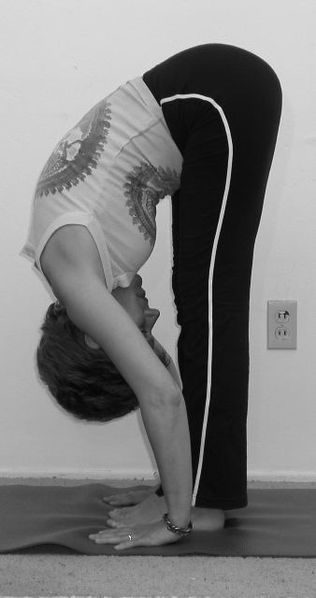
Standing forward bend


Camel pose


Shoulder stand


Vajrasana


The Knee to Chest (Pawanmuktasana)

http://www.healthandyoga.com/html/yoga/asanas/pawanmuktasana1.asp

http://www.healthandyoga.com/html/yoga/asanas/pawanmuktasana2.asp

Apart from practicing these yogas, one can try message therapy for hair loss problems. You can take 3-5 minutes of gentle head message by using your fingertips, which will improve blood flow to hair follicles and help hair growth.

Divya Kesh Tail (Hair Oil for Hair Loss, Dandruff and Headache), which is produced by Swami Ramdev’s Divya pharmacy, can be a great cure for hair loss problems. This oil has ingredients like Bhringa-raja, Brahmi, Amalakl (Amala), Shweta Chandana & other constituents.

You can also try Reflexology by buffing of your fingernails of one hand against the other on a regular basis preferably daily twice or thrice for 5 minutes.

Meditation is another way to overcome hair loss problem as it can control stress. Sit in proper pose and observe your breathing.

Monday, January 26, 2009

Get a grip on Panic Attacks

Jeff was sure he was having a heart attack. His heart was pounding faster than it ever had before. His chest ached and the pain radiated toward his left arm. He felt shaky. As he tried to focus on what was happening to him, the world grew distant and unreal. Anxiety welled up. Jeff managed to call his physician, who arranged for quick transport to the emergency room. There, however, a battery of tests failed to reveal the cause of his symptoms. A second attack occurred a few days later, and still no physiological cause could be found. Before long, panic attacks had become part of Jeff’s life.

Recognizing Panic Disorder
Everyone sometimes feels anxious for no identifiable reason. At these times we think, “Something is happening—I must stay alert.” Panic victims share these feelings, but for them the stakes are higher. Their distress is so overwhelming that the fearful possibilities take on mammoth proportions. “I’m having a heart attack,” they think, or “I’m losing my mind.” We all experience periods of vague anxiety, which often pass without our ever discovering or having to acknowledge the causes. Panic anxiety, however, is the cue for a determined (and often desperate) search for a source.

Panic attacks are characterized by rapidly escalating and overwhelming anxiety. In the beginning, panickers are rarely able to identify what has made them anxious, describing the episodes as occurring “out of the blue.” The attacks are triggered by frightening physical sensations that occur suddenly, much like an unconscious reflex. Among the most common are shortness of breath, a rapid heart rate, heart palpitations, sweating, trembling, a feeling of choking, chest pain, nausea, and dizziness. Frightened sufferers develop painfully sharp sensitivity to these sensations, often making several trips to the emergency room before they finally realize that their symptoms are panic-related.

Physical sensations alone are not the core of the illness. Fearful thoughts, unpleasant emotions, avoidant behaviors, disturbing sensations, and deteriorating relationships all collude with one another to maintain panic. Thoughts such as the fear of dying or of having a mental breakdown are common. Even mild anxiety can trigger an attack, and any disturbing emotion can be interpreted as a precursor to full-fledged panic.

Gradually, the fear of having an attack in public leads the panicker to avoid those places—a disorder known as agoraphobia. Problems in relationships, which may have been the original source of anxiety, become worse as panic episodes develop. Difficulty with self-assertiveness and with the resolution of conflicts increases. Friends and partners are often frustrated because they cannot understand what is happening.

The Road to Recovery
Fortunately, panic disorder can be treated successfully, frequently with a combination of psychotherapy and medication. Panic sufferers are now turning to yoga for help as well, for yoga offers a wide range of stress-reducing tools. An ancient model of recovery can be found in the Yoga Sutra of Patanjali, one which is also embodied in the Four Noble Truths of the Buddha. In its briefest form, this model is an outline of the stages in the healing process, presented here as four questions:

1. What is the nature of the pain that all humans experience?
2. What is the cause of that pain?
3. What will be experienced when the pain is removed?
4. How can the pain be removed?

Yoga tells us that before searching for a cure it is important to look deeply into the nature and causes of illness. It is also important to get an idea of how things will be when symptoms have been removed, because otherwise we may have illusions about what recovery will be like. For example, eliminating anxiety is not the outcome of treatment for panic—the outcome is the ability to manage anxious feelings.
If we rewrite the four questions of the ancient model, focusing on panic attacks, they might read:

1. What is panic disorder?
2. What causes it?
3. What will life be like for the person who has overcome panic attacks?
4. How is recovery accomplished?

Looking for a Cause
Biologically oriented physicians have tended to attribute panic symptoms to problems of the nervous system. Jacob DaCosta, a Civil War physician, set the tone when he wrote, “It seems to me most likely that the heart has become irritable from its overreaction and frequent excitement, and that disordered innervation keeps it so.” This focus on biochemistry and physiology led to the development of tranquilizers.

Not long afterwards, Freud identified a form of anxiety that appeared in discrete, time-limited episodes. “An anxiety attack of this sort,” he wrote, “may have linked to it a disturbance of one or more of the bodily functions—such as respiration, heart action, vasomotor innervation, or glandular activity.” Nearly one hundred years later, this focus on the emotional component of panic has resulted in the psychiatric diagnosis called Panic Disorder.

More recently, clinicians have been exploring the role of disturbed breathing in panic attacks. As early as 1950, the physician R. L. Rice maintained that anxiety attacks were often the result, not the cause, of disturbed breathing; now psychotherapies for panic that include breath training are state-of-the-art. (Even so, very little training in this area is available to clinicians.)

Those who are familiar with yoga will recognize the classic body-breath-mind triad in these three points of view. But if a single cause for panic disorder exists, it has yet to be discovered. Instead, these three areas seem to interact with one another, forming feedback loops that grow larger if not addressed in some way.

For example, if someone is afraid of going to public places, then self-esteem plummets, fears increase, opportunities for relationships are limited, and panic-prone factors such as the fear of being labeled “incompetent” grow. Conversely, if the fear has been overcome, then self-esteem improves, fearful thinking is reduced, opportunities for relationships expand, and panic-prone factors are undermined.

The First Steps to Recovery
We have already seen what panic disorder is and we have a general idea of what causes it. Our next step is to discover how yoga, coupled with clinical experience, can help panickers take the steps necessary to recover. The first priority is to manage the frightening physical sensations accompanying panic attacks, because they will make any other work impossible. Panickers walk on pins and needles attempting to avoid the sudden, uncontrollable symptoms of their disorder, and because these involve rapid arousal of the nervous system, it is imperative to find ways to strengthen the nerves and calm anxiety.

Arousal is subtle and is triggered in a number of ways, but the key to calming it is to learn how to “talk” to the nerves, how to communicate across the great divide between voluntary and involuntary functioning. Once the panicker has learned to manage involuntary reactions, the sense of being out of control is enormously reduced.

Yoga training can be particularly useful here, for yoga teaches us how to interact with the nervous system. If we want to soothe and strengthen it, we need to learn deep, relaxed yogic breathing. Regardless of the pathways of arousal, breathing is the language of nervous system balance and control.

To illustrate this relationship, imagine how you would react if you were walking along a dark street, and a pointed object were thrust suddenly into your back. You might gasp, then tense your whole body. Gasping is the natural reaction to sudden fear. If you discovered that the attacker was only a friend playing a joke, you might sigh with relief. Then your breath might become agitated as your fear turned to irritation. The way you breathe reflects how you feel.

This relationship between breath and nerves is a two-way street. Just as emotions create changes in breathing, so changing our style of breathing can alter the way we feel. Breathing is the only involuntary function that can be easily and voluntarily controlled. During times of panic, relaxed, controlled breathing will give us immediate access to the nervous system. This means that by changing our breathing, we can change the condition of our nerves when tension disturbs and frightens us. Then, when breathing is relaxed and the panic response has been calmed, the underlying anxiety can be gradually brought to conscious awareness for processing.

Learning Relaxed Breathing
Practicing yoga is a good way to learn breathing skills, for it is a gradual process, often needing considerable support over a period of time. Yoga teachers quickly recognize when a student is having trouble (as is often the case with panickers), and they know a wide variety of alternate practices that will help the student master breathing skills.

The ultimate goal of breath training is to make smooth, diaphragmatic breathing a twenty-four hour habit. The corpse pose (lying on the back) and the crocodile pose (lying on the stomach with arms folded under the forehead) are both helpful training postures. Breathing with a ten-pound sandbag on the upper abdomen while lying in the corpse pose will help to strengthen the diaphragm and serve as a reminder to focus on the abdomen as well. In addition, it is helpful if the panicker learns to pay attention to breathing as often as possible during the day. Notice when the breath stops, notice when it jerks, for once an irregularity is obvious, it can be corrected. This practice not only fosters awareness, it makes the relationship between stress and breathing abundantly clear.

Panickers will find that diaphragmatic breathing not only calms the effect of arousal at the time of panic, it also provides an alternative focus for attention, allowing them to focus on their breathing instead of on the panic symptoms. As diaphragmatic breathing becomes a habit, the nervous system is less susceptible to panic in the first place. It usually takes about two weeks to become accustomed to the feeling of diaphragmatic breathing, and about six months of regular practice to make it a habit.


Special Problems in Breath Training

There are a few potential problems that panickers may experience during breath training, and it is well for both student and teacher to understand them at the outset. The most common is that panickers have often developed a highly self-vigilant style that can lead to performance anxiety. (“Is it supposed to feel this way?”) Micro-managing has become a way of life to panickers. The teacher needs to be warm—reassuring but firm, letting the practice do the teaching, without becoming over-analytical. Breathing does not need to be perfect to be good enough.

Sometimes panickers carry a great deal of physical tension in their bodies, and in these cases the natural unblocking effect of yoga stretches and postures can be helpful. Releasing abdominal tension while resting between postures promotes deep breathing. Covering the body with a blanket during relaxation and breath training can ease the feeling of being exposed or vulnerable.

A knot may sometimes form in the abdomen during panic attacks, making breathing difficult. As the attack continues hunger for air increases, but despite the need for air the panicker may feel that holding the breath is the way to “catch” it. Relaxed, continuous breathing, on the other hand, releases the unconscious tension created by holding the breath, and with practice it is possible to actually breathe through the knot that forms in the stomach during periods of anxiety. As increased awareness makes it possible to recognize tension early, it becomes easier to remain relaxed. To establish a smooth, unbroken flow of breath, the teacher might say, “When you come to the end of the inhalation and your abdomen has fully expanded, simply relax and let the exhalation begin. When you come to the end of the exhalation and your abdomen has contracted, simply relax and let the inhalation begin. Let each breath flow into the next breath by relaxing.”

Beyond Diaphragmatic Breathing
Many therapists have begun to use breath training in their work with clients, but few have been trained to teach more than the basics of diaphragmatic breathing. Yoga, on the other hand, offers many additional breathing and relaxation skills that can help recovering panickers. Perhaps the most effective of these is nadi shodhanam (channel purification). As its name suggests, nadi shodhanam works to unblock tensions and resistance in the energy-conveying channels of the physical and subtle bodies, thus calming and strengthening sensitive nerves.

Normal breathing carries away wastes and brings in fresh energy with each breath. As energy is brought in, it must be assimilated and distributed efficiently in order to fulfill the purpose of breathing. That’s where nadi shodhanam comes in. The process of channel purification slows breathing down and focuses our attention on its flow. At the same time, according to yoga masters, this practice cleanses the subtle vessels through which physical and mental energy is passing. As these vessels become cleaner, energy moves with less effort, and its distribution and assimilation within the mind and body are improved. The result is reduced tension in the nervous system as well as a calmer mind.

Nadi shodhanam is not the only yoga tool for deepening relaxation. Techniques combining postures, breathing, and systematic relaxation kindle a sense of confidence in us no matter how much daily life seems to bend us out of shape. Exercises that relax both muscles and joints, as well as the 61-points relaxation exercise, lead further toward relaxed self-awareness. These techniques can be taught once students are familiar with the beginning practices. (For a detailed description of nadi shodhanam, see the Yoga International reprint “Balancing Active and Receptive Energies: The Practice of Nadi Shodhanam.”

Expanding the Recovery Process
Along with breath training, panickers need to begin the process of resolving their fears. Sometimes they do this work on their own or with the help of friends and family members. Often, however, a period of psychotherapy is needed because the worries and stresses that initially contributed to the onset of panic require objective attention. Before treatment these factors are outside of the panicker’s awareness for some reason. As recovery continues, however, they become the proverbial elephant in the living room—there is no way to avoid noticing and dealing with them.

Often the stresses that are most difficult to recognize have to do with significant relationships. A question that can elicit awareness is, “Am I avoiding conflicts within myself?” As one panicker continued in recovery, for example, he was able to explain that his younger brother, who was in line to become a co-partner in the family business, was performing very poorly. Despite many signs to the contrary, the younger brother continued to imagine that he was doing well at his work. Addressing this problem raised many fears, for it would affect a complex web of family relationships. As a result, the older brother resisted speaking up and began having panic attacks instead.

There are many possible causes of panic attacks—stressful relationships, past traumas, fear of separation from loved ones are among the most common. One panicker’s attacks began when her husband’s promotion resulted in his being away from her and their infant twins at night. Pleased about the promotion, the husband had not been willing to see the effect it was having on his family, and the wife had not been able to express her fears directly. In the course of psychotherapy, this woman learned that finding practical ways to expand the scope of awareness and implement stress-reducing changes (ask for them, create them, or compromise for them in some way), although difficult, was the most satisfying process in the entire recovery.

There will inevitably be leaps forward as well as setbacks while recovery continues. This is natural, for the recovering panicker is learning to work with him- or herself in an entirely new way. Whether or not the panicker is undergoing psychotherapy, the psychological insights acquired through yoga can make a profound contribution to this process. A young student once remarked, “Yoga stands for You Oughta Get Aware,” because it provides such a wide range of tools to help everyone, including recovering panickers, do just that.

The Role of Meditation
In addition to the body and breath, yoga works with emotions, mental images, thoughts, and relationships, seeing them all as part of an integrated whole. During meditation, for example, a normally disturbing image arising in the mind is greeted by a very different reaction than might otherwise be the case. Now the body remains rested and still; the breath sends messages of steadiness and balance to the emotions and nervous system. Though the image might seem upsetting at another time, now the meditator can witness it with equanimity. This neutral reaction allows time and space for the image either to be processed or to pass through the mind without disturbance.

What is more, meditation seems to pace itself; it allows the mind to gradually gather strength before bringing up the images that might prove most frightening or challenging. Trivia can be dismissed, but the thoughts and images that persist are the ones that have important consequences to us. For instance, suppose I begin to recognize a deep-seated unhappiness with my work, but at the same time I see no other way to support my family. This conflict haunts me, affecting my work and frustrating my family relationships. Panickers may force themselves to push such conflicts out of awareness because they cause a discord that seems unresolvable. Meditation will allow them to recognize it with less fear so that they can see their way through the problem.

Conflict Resolution
Yoga psychology also suggests many techniques for resolving conflicts, including acknowledging and accepting the conflict in all its depth; recognizing the need for some kind of change; resisting the inclination to act out feelings or to do nothing; exploring alternatives; communicating with others without blaming them; accepting feedback from others; using discrimination in accepting or rejecting alternatives; surrendering to necessary losses; acting with determination; accepting outcomes with equanimity; working calmly on a problem even if a negative outcome, or no outcome, seems inevitable; and letting intuition suggest new possibilities. These strategies are derived from what in yoga are called the yamas and niyamas—the attitudes toward life that are the basis of all yoga practices.


Finding Refuge in Our True Nature

Ultimately, yoga provides a philosophy that places the relationships between body, mind, and spirit in a new perspective. The Bhagavad Gita, a classic yoga text, tells us that “No one has the power to bring to destruction this unalterable entity [our true inner self]. . . . The body-bearer in everyone’s body is eternally undestroyable.” Anxiety arises from attachment to passing and impermanent things, but the more we are aware of our own true nature, the less anxious we become.

Yoga gives us a practical tool for working at this level of awareness—the mantra. This is a word or phrase that can guide and protect us. It serves as a focus of attention in times of panic, and it is a resting place for awareness leading to our true nature. Through its connection to the deep spiritual resources that lie within us, the mantra pacifies fear and encourages us to persist in the face of disturbing thoughts and upsetting emotions.

We cannot prevent life from changing. Life is inherently unstable. But during periods of change we can have the courage to identify and express our needs. We can look for ways to surrender gracefully to the inevitable. We can trust, through our experience of yoga, that the essential Self within us will guide us through the emotions of change successfully.

Dr. Rolf Sovik is a licensed clinical psychologist in private practice in Buffalo, NewYork. He has been practicing and teaching yoga for more than twenty year

Monday, January 19, 2009

Master Yoga Chart of 908 poses


Sri Dharma Mittra is a Yoga teacher, and a student of Sri Swami Kailashananda Maharaj. Best known for creating the "Master Yoga Chart of 908 Postures," his "influence on the yoga world extends far beyond the nearly 50,000 copies of that poster that have been printed since Mittra completed the laborious project in 1983." [1] He has been teaching since 1967, and is Director of the Dharma Yoga Center in New York City.

Dharma Mittra was born in 1939 in Minas Gerais, Brazil, and started studying Yoga since 1958. In 1964, he left the Brazilian Air Force and moved to New York City, to study under his newguru, Sri Swami Kailashananda. After intensive study of ashtanga and Karma Yoga, he was accepted and initiated as a sannyasi (one who renounces the world in order to realize God). Dharma started teaching in 1967, after spending a decade as a full time Yogi and bramacharia (a celibate religious student who lives with his teacher and devotes himself to the practice of spiritual disciplines). A celebrated teacher at his guru's ashram, he left in 1975 and founded the Dharma Yoga Center in New York City. He has been teaching daily since that time.

Dharma Mittra completed the Master Yoga Chart of 908 Postures in 1984, after having meticulously photographed himself in 1300 Yoga postures, then cut and pasted the pictures to create the work. The Master Yoga Chart is hung in many ashrams and Yoga centers worldwide, as a teaching tool and inspiration for all students of Yoga. His more recent book, entitled Asanas: 608 Yoga Poses was published in 2003. In 2006, he released an instructional yoga video series entitled Maha Sadhana: The Great Practice. Mittra is also featured as the inspiration and model for Yoga Journal's coffee table book, entitled Yoga.

Dharma Mittra is considered by some to be one of the original independent teachers, starting many on the path of studying, and teaching Yoga. He began teaching Yoga before various diverging styles became popular, and is considered by some to have remained true to the original practice of the third limb of Raja Yoga, asana, or the postures of ashtanga. Having initiated tens of thousands of individuals into the practice of Yoga, Dharma Mittra's students and admirers call him the "Teacher's Teacher" and the "Rock of Yoga."

Yoga Helps People with Schizophrenia

People with schizophrenia often have difficulty functioning socially and at work, even when they receive medical treatment. A new study found that yoga, in conjunction with conventional medical treatment, may improve schizophrenia symptoms, social and occupational functioning, and quality of life.

Schizophrenia is a psychiatric illness marked by episodes of psychosis in which disordered thoughts, sometimes experienced as voices, become overwhelming. This chronic condition usually begins in young adulthood and interferes with relationships and makes daily functioning difficult.

Treatment options include antipsychotic medications, but these cause many side effects, including sedation, listlessness, and loss of a normal range of emotions. Muscle rigidity and repetitive gestures or tics are among the other problems caused by long-term use of some of the older antipsychotic medicines; newer drugs in this family can cause obesity, diabetes, and high cholesterol levels.

In the new study, published in Acta Psychiatrica Scandinavica, 45 people with schizophrenia were randomly assigned to either a yoga training group or a physical training group. The yoga training included breath work and traditional yoga poses and exercises, while the physical training included brisk walking and jogging, and sitting and standing exercises. Both groups underwent training sessions five times per week for one hour.

After four months, both groups scored better on measures of schizophrenia symptoms and social and occupational functioning than they did before the training, but those in the yoga group improved more than those in the physical training group, especially in social and occupational functioning. The yoga group also reported an improvement in overall quality of life, but the physical training group did not.

Originally from India, yoga is a group of ancient spiritual practices designed to integrate the body, mind, and spirit. Outside of India, the term yoga often refers to the practice of poses (asanas) and is thought of as an exercise program to increase strength, balance, and flexibility. Yoga has been shown to reduce stress and improve mental functioning in healthy people, and there is evidence that yoga can reduce blood sugar and cholesterol levels.

“[Yoga] grounds you in the body. People with schizophrenia often have trouble distinguishing themselves from what’s outside of them,” commented Helen Dicke, MSW, who teaches yoga in Vermont. “The breath work in particular deepens and stabilizes the connection to the body. When a person with schizophrenia becomes more grounded, they become more aware of what is internal and what is external, and their social skills and ability to function are greatly enhanced. In fact, yoga has this benefit for everyone.”

Thursday, January 8, 2009

"I beat anxiety with yoga."


One woman's triumph over depression, a breast-cancer scare and infidelity


In the middle of a March afternoon, Geneviève Charette suddenly found herself struggling to breathe. The Montreal-based consultant was due to start a new contract the next day. Gasping for air, she waited for her husband to come home to watch their two young sons before heading to the walk-in clinic. The diagnosis? A panic attack.

That was ten years ago, and it marked the beginning of a rollercoaster of panic attacks and depression that even antidepressants and talk therapy couldn’t stop. Circumstances weren’t helping: in 2004, a business venture with two friends began to crumble, and the strains in her marriage turned into giant cracks. “I was crying all the time. I felt so lonely, and I couldn’t talk about it,” says the 41-year-old. “I hid it from everyone.”

The breaking point


In addition to the turmoil in her personal and business life, a cancer screening in 2005 revealed cysts in her breast. A terrifying five weeks passed before they were determined benign. “That was an awakening,” says Charette. “Luckily, I was OK—but I needed to take control of the things that were making me unhappy.”

The challenge


To find a healthy way to take control of her constant worry and anxiety.

The plan


Twice-weekly yoga sessions in a friend’s living room studio. (Charette didn’t want to start with a large, intimidating class.) A few months ago, she also joined Weight Watchers to shed the 35 pounds she’s put on during her separation.

The biggest obstacle


At Christmas 2006, Charette discovered her husband was having an affair. “I was having panic attacks about how to support myself and my boys.”

The results


Within a month of starting yoga with friends, she stopped having panic attacks, and she recently dropped 11 pounds off her frame. With a newfound sense of control over her life, Charette re-entered the work world, taking on a part-time role as executive director of the Anxiety Disorders Association of Canada in Montreal. “It’s so rewarding, and most important, it’s helped me realize I am not alone.”

The tips


  • Be bad at something. Charette didn’t love yoga at first. “Because I had knee and shoulder problems, I couldn’t do certain yoga movements and I felt inadequate.” She pushed past her need to excel and focused on getting better, one session at a time.

  • Talk it out. “I’m fortunate to a have an amazing group of girlfriends who support me. I had hid my depression from them for years. Now I have a standing breakfast date with them every Friday morning. It really helps, knowing that when I walk into the restaurant, there’s someone waiting there to spill my guts to.”

  • Make space for yourself. “My yoga mat is my little piece of heaven. Just to take an hour and half for myself and relax and shut out the outside world is what helps me keep it together in the day.”

Bikram Yoga - Is it for you ?


Known as the ‘hot yoga’, Bikram is once again gaining popularity. Jodie Robertson, founder of Australia’s first Bikram studio, explains the ins and outs of this style of stretch.

Q. What is Bikram Yoga?

A - Jodie Robertson: It’s a series of two breathing exercises and 26 postures in a heated room. It took Bikram, his guru, doctors and scientists three years to put the series together. Within the 26 poses, each pose follows the next for medical and scientific reasons. We warm up some parts of the body before we get to other parts, so it’s a set sequence.


Q. How does it differ from other styles of Yoga?


A - Jodie Robertson:


The heat, the mirrors, and the fact that we do every posture twice. The reason for the mirrors is so you can watch your alignment and you can make sure that everything is in a straight line. The teacher constantly talks. Some other yoga styles don’t do that. Because we cater for everyone from absolute beginners to advanced people, we just give directions the whole way through. No matter what level you are everyone can follow along.


Q. What is the recommended temperature during class?


A - Jodie Robertson: Thirty seven degrees. Sometimes with the humidity in summer or if it has been raining, people seem to sweat more.


Q. Apart from warming up the muscles, what are the other benefits of exercising in the heat?


A - Jodie Robertson: It cleanses and purifies your body. The skin is the largest organ of your body, so when you sweat it really purifies. The flexibility aspect is a key aspect of the heat. The purification is the second aspect of the heat and also what we found is that it really builds up mental strength.

Q. What types of people are best suited to Bikram Yoga?

A - Jodie Robertson: Over 13 years-old to any age. Classes are also popular with men, not just women. We sometimes have more men than women.

Q. What about women who are pregnant, people with high-blood pressure, those arthritic sufferers and individuals with back problems?


A - Jodie Robertson: With Bikram, if you’ve been practicing for a year and you fall pregnant, we tell you to have the first trimester off and then you can come back and continue. But if anyone comes to us and they haven’t been practicing for very long and they fall pregnant we tell them to come back later. We do special pregnancy classes.

For those with high blood pressure, there are a couple of poses that we modify. For the arthritis sufferer, Bikram Yoga is great. The heat and stretching really gets their joints moving.

Q. How much time do you need to spend on Bikram to be in peak condition?


A - Jodie Robertson: Bikram says, ‘If you really want to change your life, come everyday for 60 days as a new person’. Some people have taken us up on that and completely turned their whole lives around. But we do recommend for beginners, two to three times a week as a minimum.


Q. Does Bikram have a spiritual development focus?


A - Jodie Robertson: Once you get your body and your mind aligned, your soul or spirit just comes alive. That’s what spirituality is. So again, we never preach about any religion. Through yoga, people find their own way to what they believe is a higher power, their own power or their own inner light.

Tuesday, January 6, 2009

Yoga cure for Smoking

I was wondering on how Yoga could help people from qutting cigarattes smoking . Being a smoker , albeit someone who wants to quit from smoking , I feel this article could have some positive impact for people who wanna dumb tobacco from their system . Yoga is not a miracle cure to quit smoking. The different aspects of yoga such as asanas, pranayama, meditation, and breathing techniques definitely are the best techniques for quitting ever invented or discovered by man . Yoga doesnt have a tablet solution for smoking ! The best thing what yoga does is it improves your damaged smoking health. It improves your lung capacity and strength and ultimately it alleviates some of the dangerous effects of smoking.

How yoga helps you quit smoking?

  • Yoga cultivates determination and willpower in a smoker which are the primary strengths needed to quit smoking. And no other techniques can work in overcoming this biggest weakness of a smoker.

  • Many people smoke or start smoking due to psychological and emotional problems. And yoga is the only technique which helps best in overcoming these life taking traumas and maintaining psychological and emotional balance in the body.

  • It creates awareness to lead a healthy life and to understand your own body. This awareness automatically let you know that your body does not want these types of dangerous toxins. And the same awareness brings a great change and improvement in your diet and lifestyle to quit smoking as well as to improve your health.

  • The deep breathing techniques of yoga neutralize the irresistible cravings for nicotine which happens during the first days and weeks of quitting. And no other technique can work best in this regard.

  • Yoga helps quitting smoking without weight gain and any other side effects. And no other techniques can help in this regard.


What is the most important yoga technique which helps best to quit smoking?

One of the important yoga cleansing practices called as ‘Jala Neti,’ which works wonders for those who want to quit smoking. This technique effects at both physical and psychological levels. It is an integrated approach which works smoothly to help a smoker quit smoking.

How yoga breathing techniques can help you quit smoking?

Here is a simple example of a yoga breathing techniques which helps best whenever you crave for a cigarette.

How to practice it?

  • Inhale deeply as far as you can and then slowly exhale. Purse your lips so that the air will come out slowly.

  • Slowly touch your chest with your chin as you exhale

  • Imagine all your stress, tension and other emotional problems draining out of your fingers and toes.

  • Practice it at least three times.


This deep breathing technique works as your greatest weapon during the strong cravings and gives you the best possible result.

A Yoga Student narrates his experience :

One of the hardest habits to give up is smoking. You may hear a number of people who claim to have given up smoking, but if you check on them after sometime, you will find that they have gone back to their favourite habit.

For twenty years I had been a habitual but a moderate smoker. I used to smoke on average five cigarettes a day, but often I would go on a binge and smoke as many as 15. This went on even after I took to practising yoga.

My yoga teacher had assured me that being a practitioner of yoga I would not keep smoking habit for long. For, according to him, yoga would force me to give up my habit. I did not take that too seriously and continued smoking along with my practice of yoga.

After a few months of yoga, my habit of smoking a cigarette after breakfast started making me uncomfortable. After smoking a cigarette I started feeling sluggish and sleepy. Since I used to smoke while driving to my office, my being sleepy started telling on my nerves. After a few days, I was still lighting up my cigarette but I could not go beyond smoking it more than a half. Later on even smoking half a cigarette was leaving me tired and was giving me headaches. I had no choice but to give up my morning cigarette.

Soon I stopped smoking a cigarette after lunch and even when driving back home in the evening traffic. Smoking in the evening started making me intolerably hungry and I could not help snacking. That was enough to kill my appetite for dinner.

Untimely eating gave me a kind of constipation I never experienced in my life. I started spending working hours with bloated bowels and a mild but continuing headache. My productivity level plummeted sharply and I started losing my temper at the slightest provocation.

First smoking ceased to be a pleasure and very soon it became a nightmare. I really did not have to fight with my age-old habit or exercise restrain.

I realized that yoga just won’t let me go on with this vice of mine. It’s been nine months now since I last smoked. Now even the thought of reaching for a cigarette makes me feel ill.

Friday, January 2, 2009

How to build a home yoga practice

By Kara-Leah Grant at http://pranaflownz.com


As a yoga teacher, my goal is to inspire my students to practice yoga at home. It’s great when people get themselves to classes three times a week, but the true benefits of yoga really start to unfold when you commit to just showing up on your mat by yourself and seeing what happens. In a class, your focus is both internal and external. You’re listening to the teacher and watching the demonstrations while also paying attention to what’s going on inside of you. When you practice at home, there is no need to focus on anything external, so 100% of your attention is on how your body feels, what your breath is doing and how your mind is reacting. You can read more about this in my post How to start a home yoga practice. And hopefully you have started - now it’s time to build that practice further. When I talk about building a home practice, I’m not talking about using a DVD either. DVDs can be useful and it might be how you begin to get into the habit of practicing at home, but in essence, it’s exactly the same as going to class because your focus is still largely external. But making that shift can be extremely intimidating. How will you know what to do? What if you get it wrong? Trust me on this one - you will amaze yourself with how much understanding you’ve absorbed from going to class. And you will also amaze yourself with how much innate wisdom there is within you. This is one of the major benefits of practicing at home - it strengthens your connection to your internal Guru. We ALL have a yoga teacher living inside of us. Problem is, until we start listening to the voice of that teacher, it’s hard to distinguish them from all the other voices inside of us. Like those voices that say,” “You don’t know what you’re doing.” or “This is so silly, it’s just not the same.” Or, “I’m bored, let’s go watch TV.” These are the many voices of the mind, and hopefully through going to classes you’ve already begun the discipline of ignoring these voices, and you’ve begun to practice simply being the witness to them. The inner voice of your Guru comes from a different place and has a different tone. He or she is encouraging, welcoming, kind and compassionate. This guru will suggest things in a whisper that come from your heart. Things like, “Remember that triangle pose we did last week, let’s play around with that. If we just start with the feet position, I’m sure we can remember it.” Every time you ignore the doubts, criticisms and distractions of the mind, and instead listen to the gentle whisperings of your heart, you make a tiny shift toward a different way of living. Building your home yoga practice will greatly enhance and strengthen this shift. The easiest way to get started is to note that you don’t have to remember all the different postures exactly. All you have to remember are the principles of practice.

Wednesday, June 18, 2008

Work-Life Balance in Yoga


Yoga was a big thing during the 60s. However, it soon began to drop in popularity. People undertaking yoga as an exercise soon lost patience with the activity, due to its slow but steady results, and turned their interest to a faster pace of exercise such as aerobics. However, yoga has turned once again in the popularity ratings and become a very attractive form of exercise for people who are interested in working out rather than working towards a spiritual goal.

You will find that yoga is a great stretch and flexibility program. It is being used increasingly by those who have trouble balancing their work and personal life. The personal lives of modern day executives are affected by a stressful working environment and a frantic schedule, so they turn to yoga to help them bring a little peace to their mind and to adopt a perfect work-life balance.

It is also agreed by many runners, weight trainers, and aerobic dancers that exercise regimes do in actual fact add more stress to their lives rather than reducing it.

Many people use their lunch hour to work out, forcing themselves to keep up their exercise regime, and then return in a rush back to work. Yes, maybe this is good for them, but it is just an added pressure. Well, yoga is much less competitive, less stressful, and it gives you a wonderful sense of being.

The key to its renewed popularity is almost certainly its healing aspect. When people push their fitness levels they are bound to suffer with strained knees, aching backs and neck pains which are generated not only by the physical power that they put into it, but also the stress of making it a competitive world. Yoga is nowadays being recommended to patients by many orthopedic surgeons, chiropractors, and neurologists as part of their treatment plan.

The ancient practice is growing in interest in the mind-body connection and it is also boosted by research that suggests that it can reduce stress and blood pressure, as well as improve work performance and even slow down the effects of aging.

Mainstream hospitals and business are now teaching several techniques. This is being done using books, discussion groups, and even using the Internet.

The Army is even interested. It has requested that the National Academy of Sciences study meditation and other new age techniques that may enhance soldiers' performance.

Details do differ. However, a common theme is relaxing the body while the mind is kept alert and focused, whether it is on an object, sound, breath or body movement. If the mind wanders, and it generally does, you can gently bring it back down and begin again.

Stress related problems do in actual fact account for 60% to 90% of U.S. doctors visits, whilst mind-body approaches are very often more effective and cost effective, than drugs or surgery. For instance, 70% of insomniacs become regular sleepers, 34% of infertile patients become pregnant within six months, and visits to the doctor are reduced by 36%.

Thursday, May 29, 2008

Dharana (Yoga of Concentration)

A Zen Master was chased by a tiger. He jumped over a cliff to escape and found himself hanging from a vine. He looked up and saw the tiger waiting patiently. He looked down and saw a second tiger waiting below. Two mice began gnawing through the vine. Just then the Zen Master saw a strawberry growing wild on the cliff. He picked it. How sweet it tastes!

The Sixth limb of Raja Yoga is called Dharana. Dharana is the practice of Concentration. Most minds lack Dharana to a greater or lesser degree and thus are scattered, agitated, distracted, foolish, dull, and/or stupid. Without the ability to concentrate and focus, nothing can be mastered.

Once Dharana has been learned, the mind becomes closely attentive and the mental faculties are focussed upon a single point. Such a person has superior mental powers, and knows his desires. The ability to know one's desire, and to marshall all aspects of body and mind in the pursuit of said desire can be dangerous. Such a person cuts through society like a hot knife through butter. There is a tendency to pursue the desired object with out regard to the cost to others, and thus to generate great misery. This power can also serve to inflate the ego and thus lead the student off of the path of Raja Yoga. For this reason, Dharana is attempted only After the senses (and thus desires) have been brought under control through the practice of Pratyahara.

For a person who has mastered Dharana it is not enough to avoid the trap of pursuing Desires, for this still leaves them adrift in life without direction. The seventh limb of Raja Yoga, Dhyana (contemplation), provides that direction. Once Dharana has been mastered and the mind has been focussed to a single point, that point is placed squarely and unwaveringly upon God.

How does one learn the practice of Dharana? There are many, many different techniques for mastering Dharana. In fact, Life can be viewed as nothing more than an ongoing series of opportunities to practice Dharana. Washing dishes can be approached as an act of worship. Through the perfection of the washing of dishes you can experience Zen. Walking is a great opportunity for Dharana. Walk without destination... slowly, reverently, with great attention to walking. Eyes focussed upon nothing, mind focussed upon nothing. Driving a car is a wonderful opportunity to merge with the car, the traffic, the ebb and flow of life. The two most reliable techniques for achieving Dharana is concentration upon the symbol AUM, and upon the breath using the optional silent mantra of So-Han with each breath.

Two things destroy concentration... boredom and fear.

Fear is always a result of your goals being set too high in relation to your abilities. For example, if someone holds a gun to your head and you experience fear, it is a direct result of your goals being set to high. You want to live, and this is no longer within your ability to control, and so you experience fear. If you can let go of the goal to live, and choose a new goal, in keeping with your abilities in the present situation you can again acheive focus. Perhaps your new goal could be to understand the person holding the gun. What is interesting is that once you choose an appropriate goal and regain your powers of concentration, you are able to maneuver more skillfully and outcomes improve.

Boredom is always the result of setting your goals too low with respect to your abilities. Choose goals that challenge with out intimidating and you will live a life with more flow, more concentration and less boredom and fear.

The state of deep concentration - Dharana - is what we all are looking for in our lives. At work, on dates, in our hobbies, we are all trying to avoid boredom and fear, we are all seeking flow or peak performance, or what we call inYoga... Dharana.

The story I opened this lecture with has grown to be one of my favorites. While camping on the Olympic Peninsula in late October I took a hike up into the virgin-rain forest covered mountains. I set off cross country and alone, with a hand drawn map and a heavy coat looking for an adventure. After several hours I found the creek that drained from 'Mink Lake' and set off to follow it up stream to the lake. This plan was soon abandoned as I faced a series of vertical waterfalls that spilled over 20-60 foot sheer walls. Now I started cutting up the side of the valley keeping the stream to my left. I climbed higher and higher and the terrain became more and more impassable. I drove myself relentlessly through the rain.

By three o'clock I decided to cut straight up the side of the mountain, the shortest route to the hike trail. The slopes ranged from 70` to 90` in places and I found myself climbing now. Still no trail. By four o’clock, the very real possibility of spending the night on the mountain encouraged me to abandon my search for the path. I started cutting diagonally down the side of the mountain towards the campsite. At one point I saw a lake far, far beneath me and I redoubled my descent, thinking I had somehow stumbled onto 'Mink Lake', but as I at last drew near, the lake dissolved into clouds and I found myself descending through heavy fog.

Time and again I found myself trapped by cliffs dropping away on three sides, and was forced to backtrack up and over, only to come to the top of another dizzying drop. As daylight faded I was overcome by waves of panic... I did not think I could find a way down the mountain before the dark set in, and my chances of surviving in my present condition through the night did not rate favorably. This resulted in my taking chances over and over again, and I could feel my luck running out.

When I found myself on level ground for the first time in hours, I broke into a run to try and make up for lost time - pushing through heavy, rain-soaked foliage. In a matter of minutes the bushes had done what 7 hours of rain had not. My coat was water logged and I was wet. I knew that I was losing energy due to dropping temperatures, lack of food, water and the most strenuous challenge of my entire life.

It was at this point that I noticed that the bushes were wild blueberry bushes, and that they were covered with ripe berries. I remembered the story of the Zen master and followed his example, eating berries, drinking water from the leaves and laughing at and to myself as the daylight drained from the sky. Renewed, refreshed, and calm, I set off again, more slowly and in the dark, felt with my feet, the faint difference in texture that betrayed a path. Had I been moving quickly, I would have crossed the path with out noticing it, and plunged on into the night. As it was, I found the path and followed it back to my camp site, where I soaked in hot springs while rain fell softly and mist drifted between the trunks of old growth trees.

Thursday, May 22, 2008

Yoga for Anger Management


Almost all of us experience anger at some point or the other. Rather than get into a monologue of why anger occurs, I will try to touch upon why we should overcome it and how it can be done.

Why should anger be overcome?

Anger destroys the peace of mind: One constantly undergoes mental turmoil, uneasiness and frustration when anger is experienced. This disturbed mind is akin to a rudderless boat in a stormy ocean, being tossed around from place to place without it being able to focus on the task or destination ahead.

Anger is terrible for health: Besides symptoms of high blood pressure, ulceration etc., anger is invariably accompanied by stress, which is often referred to as the silent killer. The medical community is also coming around to the view that stress forms the basis of about 90% of all health disorders.

Anger causes hurt: Besides hurting the person whom it is targeted at (emotionally or physically), anger can boomerang causing an even deeper and longer lasting self-hurt in the form of repentance and remorse. Moreover, acts of anger invariably result in resentment and portray you as a highly egoistic person.

There may be many more 'incentives' to overcome anger but the above are enough to make you give a serious shot at tackling the problem.

Conventional remedies

Commonly preached remedies focus on the following ways of 'curing' anger

Suppression: Quick-fix ways like "take a deep breath unto the count of 10" etc. come under this category. These, only provide a temporary respite (if at all). Honestly, these methods actually undermine our intelligence. As if to say, our mind is going to be taken in by some kind of breath control gimmick!

Expression: I was told that, in Japan, there is a concept of 'stress bars' where you can take out your anger, frustration and stress by throwing objects and redeeming your frustration through these physical acts. These 'pseudo' expressive techniques can seldom be successful, as they do not take into account the complexity of the mind.

Diversion: Involving yourself in an activity that keeps you away from the source of anger is often suggested as a way out. However, more likely than not, the 'ignored' anger will return with a greater vengeance in due course.

In fact, suppression and diversion can be compared to the indiscriminate filling of your grocery bag (the mind) with objects. Up to a point, it is fine; however, there will come a point, where the bag can hold no more and will 'snap' destroying the bag completely as well as everything around. Similarly, these are dangerous techniques that can result in irreparable damage to your brain.

The way out

Various spiritual leaders and faiths such as Buddhism, show us a way out. Significantly, yoga teachings provide similar solutions and also show the way to make these solutions a part of our personality.

The first step at anger management is - do not resist and do not ignore the cause of anger. Experience it fully.

What do we mean? It implies that one should develop an attitude of an observer or a witness. Learn to change your role from being the subject to becoming a bystander. See how the anger is operating. See what it is doing to your mind and how. When faced by an anger causing action, immediately get into the mode of exploring and rationalizing:

* Why am I getting irritated?
* What kind of thought pattern is forming in my mind as a consequence of this action?
* Why is it that I am feeling like this?

Continue to go deeper and deeper with the "whys" and "more whys".

When you start doing this, two things start happening:

You start seeing the deeper 'subconscious' elements that form the foundation of your conscious mind. It is these elements that shape your personality without you even realizing it. Just like you can see the bottom of the pond in all its beauty only when the waters are still, similarly, you start seeing the deeper elements in your mind and understanding them better.

Once you reach these elements, you resolve the deepest of neuroses and complexities of the mind. These automatically remove the cause of anger. You will be pleasantly surprised to see how you are no longer provoked by the automatic triggers of the past.

Without fighting your anger, you start training your mind to develop a witness-like attitude. This observer attitude results in the anger dissipating.

You start seeing some wonderful perspectives. You start appreciating that it is not necessarily the desire of the person to hurt you - getting angry is YOUR response. You realize that a person is seeing the situation from his point of view to the best of his intellectual and emotional capability - he may not be quite 'capable enough' to appreciate your point of view. This is only natural - because individuals are built in different ways. After all, aren't you showing similar traits when you are getting angry!

Developing this observer attitude is NOT difficult. Yoga also has some very powerful tools in the form of "antar mouna" meditation techniques that help you cultivate this attitude. Moreover, as you start reaping the wonderful fruits of such an attitude, such a behavioral pattern only gets reinforced.

Over time, with such an attitude, you will see that not only do you get angry less often, but also each brush with an unpleasant situation provides a remarkable opportunity to know your subconscious mind in a better way. Every such insight brings you one step closer to the supreme goal - that is, Enlightenment (perpetual Bliss).

Source : HealthandYoga.com

Meditation and Yoga for Depression and Bipolar

By John McManamy Source : http://www.mcmanweb.com/

You know those cartoons where the character goes flying around the room like a balloon with the air rushing out? That's sort of what happened to my mind in 1987-88. Like an idiot I refused to seek help and nearly paid in full measure for my stupidity.

Eventually, my entire psychic being deflated on its own account and I was able to regain some control of my brain. A good deal of the credit must go to yoga and meditation, though I would never be able to prove it in court. I managed to establish a successful daily practice for three or four years before backsliding to my bad old ways. I won't say that my failure to stick to my routine brought on my latest round of depressions. But I will tell you this: I'm back on my feet again devoting a part of my day to sitting.

Meditation is a highly personal affair, and it will probably take a process of trial and error to find what works for you. My mind, for one, is like a Circuit City showroom, with TVs and VCRs and home sound systems blaring all at once from all sides, and K-mart blue light specials and beepers and police radios going off against a truckload of gongs clattering down marble steps. Filtering out even the top layer of all this racket would have been an exercise in extreme futility, so I hit upon a preliminary yoga warm-up routine, much like an athlete limbering up before attempting some really heavy lifting. Make no mistake - any exercise devoted to bringing the mind under control constitutes heavy lifting of the most extreme kind.

My Meditation-Yoga Routine

But first a little incense to set the mood, sandalwood and patchouli being my favorites. Please bear in mind that what has worked for me may not work for you.

I start off from a sitting position with some leg stretches, touching the toes - or the kneecaps, whatever - extending to whatever position is comfortable to hold for a minute or more, one leg, then the other, and back again. On the second go, my arms grow a lot longer and the toes considerably closer, and one day I'll write a masters thesis on why this is so. By now my mind is slowing just a bit and my breathing establishes a new pattern, as if I am inhaling from the seat of my pants right up through my spinal column and out the top of my head.

Then I take one foot and move it past my other knee and look the other way as the vertebrae from my neck to my tailbone pop like firecrackers, and hold the position until the ash from my incense drops to the carpet. Then I reverse body parts. By now I feel my entire thoracic cavity opening up as I literally suck up all the air in the room and expel it in one great gust.

I do a couple of spinal flexes from my stomach - with a few optional stretchers thrown in for good measure - then it's nose down and tail up for the grand finale - the head stand. The exercise is a two-way street: I am compelled to be still. At the same time, the effort stills me. Gradually, a few of the TVs and VCRs in my mind click off and go silent, and after three minutes, I'm ready for my next round of prelims.

Now, for the first time, the seat of my pants meets the seat of my floor cushion. I bend my legs into a semi-lotus position, but my back sags under the strain. But then come my breathers.

Warning: It is not advisable to begin breathing exercises without instruction or supervision.

I start - eyes closed - by forcing air out my nostrils then allow my diaphragm to expand on the intake. As I work up a good speed, my back becomes ramrod straight as if being pulled up by an invisible string from the ceiling. Then, to settle down, I breathe in through one nostril, hold my breath for a few seconds, and breathe out the other. With the open nostril I breathe back in and continue the cycle. Finally I take twenty slow breaths in and out.

I might also take in a bit of chakras and visualizations and mantras, but this is strictly optional.

Having accomplished all this, I have now achieved the benefits of an excellent workout, a sure stress-buster, and a positive deterrent to depression and mania. But I am not about to miss the big payoff, especially so close to my goal. Who knows? Just around the corner could be nothing less than the big E - enlightenment, the Boddhi tree spectacular, the Fourth of July in my head I keep hoping for, when all those TVs and VCRs and blue light specials resolve into one glorious chord that puts me in harmony with Christ and Buddha and all creation.

But I am willing to settle for much less.

Now comes what is simultaneously the simplest and most difficult activity ever devised by a living being: I attempt to shut out all other thoughts as I follow my breath in and out my nose. The ideal, according to the Buddhist monks, is to concentrate all thinking on the tip of the nose, but I am quite content to keep my thoughts confined to the immediate planet.

Fortunately, the monks have come up with a fall-back meditation: As you sit quietly you simply watch your thoughts in a detached manner, refusing to be drawn into any dialogue your mind's many TVs and VCRs may want to engage you in. When you find yourself "thinking", you simply let the thought go and resume your meditation.

Like Seinfeld, we are talking about a show about nothing. But there is far more to nothing than meets the eye. No self, no other. Who can truly say what lies beyond?

A Personal Experience

What you take away from the experience is for you and you alone. You may be content with five minutes in a chair or you may set aside a whole hour. It could be ten minutes of torture or the first time you find yourself experiencing real peace of mind. "If you're feeling better at the end, you are probably doing it right," says Roger Thomson, PhD, a Chicago psychologist and Zen meditator on mediation, quoted in an article in Psychology Today.

According to Suite101.com's Buddhism editor, Patricia Swain, describing her meditation retreats:

"For me, these peaceful days irregular and infrequent as they are, have started a process within me that, once started, takes on a life of its own and grows like a tree rooted in the cracks of a sidewalk. It's as though the meditation process is still going on in whatever I do; that the quiet noting of thoughts and distractions, the awareness of body and the roots of defilements is a constant within me, like a heartbeat.

"It is a knowing, a calm, an ability to tap into a seemingly endless source without strain. My teacher describes it as embodiment."
Meditation for Depression (and Bipolar Disorder)

But is it effective against depression? According to natural health guru Andrew Weil MD:

"[Buddhist psychology's] basic prescription is for the daily practice of meditation, and I am inclined to agree that this is the best way to get at the root of depression and change it. That requires a long-term commitment, however, since meditation does not produce fast results."

Now if you don't like the eastern flavor of meditation you can change its focus to reflect your own cultural beliefs. You can meditate on Jesus or Moses or Allah. In place of a Sanskrit mantra, you can repeat over and over: "Our Father who art in Heaven... " or "Hear, oh Israel, ...the Lord is one ...," or "There is no God but God ... "

But the beauty of yoga and meditation is that you can practice it without any of its religious trappings, whatsoever. We are talking about a show about nothing, remember? No self, no other ...

... and perhaps - no depression or mania.

Yoga for Depression

Back in 1985, Amy Weintraub’s therapist told her that, psychically, she would always have empty pockets. "And I visualized myself, like Virginia Woolf," she wrote, "filling those empty pockets with stones and stepping into the river." Instead, through yoga practice, she filled them with fresh air and divine light, and slowly pulled her way out of her chronic depression, an accomplishment that transformed her and changed her life.

Books on yoga and meditation offer us age-old insights into the nature of suffering, together with time-tested techniques to alleviate that suffering. Depression and self-help books provide a more contemporary focus. Amy’s new book, "Yoga for Depression: A Compassionate Guide to Relieve Suffering Through Yoga," proves the twain of Patanjali and psychology can meet. Amy is a Kripalu-trained senior yoga instructor and writer who has thoroughly researched depression.

"Living in this mortal body," she quotes the Buddha, "is like living in a house on fire." We suffer. "Depression," says psychologist and yogi Stephen Cope, "is the common cold of the deluded human being." Don’t take this personally - we’re all deluded, including your psychiatrist and therapist. But we’re also all divine, or at least we’re connected to the divine. Yoga is about establishing this sense of oneness. It is probably fair to say a good many people take up yoga simply as a proven stress-buster or alternative to Richard Simmons, but they may also find themselves reaping unexpected rewards, such as beatific inner calm or heightened awareness. Some also find it helps their depression.

In a UCLA study published in March 2004, 28 mildly-depressed young adults attended two one-hour yoga classes twice a week for five weeks. Midway into the course, subjects "demonstrated significant decreases in self-reported symptoms of depression and trait anxiety," which they maintained to the end. Subjects also reported decreased negative mood and fatigue following class.

What is going on in the body, says Amy, is muscular relaxation, restored natural diaphragm breathing, improved oxygen absorption and carbon monoxide elimination, and increased alpha wave activity.

Yoga is an eight-limbed path which uses postures, breathing, and meditation as both a means and an end. Back bends, which open up the chest and increase lung capacity, are especially useful for depression. So are inversions such as headstands and shoulder stands, which stimulate the brain (but which should not be attempted without the guidance of a qualified yoga instructor). Some positions are meant to be calming and others energizing. Anxious types are advised to employ calming positions while energetic positions are de rigor for those who find it hard to get out of bed. (Since reading this book, I find myself doing a short energizing routine in the early afternoon to get me through the rest of the day and a longer calming routine ending in a short meditation at night.)

Breathing exercises follow the same energizing/calming dichotomy. One reason so much emphasis is placed on the breath is that most of us have forgotten how to breathe. Instead of using the diaphragm, we use the chest, which is not as efficient since the lower portions of the lungs are not exposed to air. The yogis imbue the air we breathe with a spiritual quality called Prana (with a capital P). "When we restrict the breath," writes Amy, "we are diminishing the spirit. When we relearn to breathe fully and deeply, we are enlarging the spirit and reconnecting with the Self." She cites an Indian study that found reduced violence and disciplinary infractions in a juvenile prison population that had been practicing a specific breathing technique for eight weeks.

What may be going on, speculates Amy, is the release of the anterior pituitary ("feel good") hormones, including oxytocin, prolactin, and vasopressin.

If posture can take us into breathing, breathing can take us into meditation, which, says, Amy, "can create a calm, healing state in body and mind." Pain doesn’t go away with meditation, she advises, but through the practice of mindfulness we learn not to identify with the pain. For people with major depression, she cautions, meditation may be counter-productive at first, as depressed people tend to be stuck in their negative thoughts. Since meditation may also bring up flashbacks and bad memories, learning under a skilled instructor is strongly encouraged.

Amy’s breakthrough came in a yoga class while holding the bridge pose, suppine with pelvis and chest thrust upwards She released the posture ten minutes later to a flood of sensations and a "time-out for the rational mind, a few moments of deep rest, a glimpse of samadhi [cosmic consciousness]."

What if, she asks, that intelligent awareness of bliss is not an altered state but your natural state? "Eventually, through practice," she informs us, "those moments of samadhi expand until they are firmly established in your mind and you are living with your eyes wide open."

There goes that pesky common cold.