Friday, May 13, 2011

More good for your brain !

Change your diet, change your mood? Science says the answer is yes. Food isn’t just fuel for the body; it feeds the mind and changes our moods. Food scientists are still exploring the big picture regarding food and mood, but it’s clear that certain foods have a feel-good factor. Try these five mood-boosting snacks.

Bananas

Bananas offer serious mood-lifting power, with their combination of vitamins B6, A, and C; fiber; tryptophan; potassium; phosphorous; iron; protein; and healthy carbohydrates.

When you eat a banana, you’ll get a quick boost from the fructose as well as sustaining energy from the fiber, which helps prevent a blood sugar spike and ensuing drop in energy and mood. Carbohydrates aid in the absorption of tryptophan in the brain, and vitamin B6 helps convert the tryptophan into mood-lifting serotonin. Bananas are also a great source of potassium. Although potassium isn’t directly related to mood, it’s needed to regulate fluid levels and keep muscles working properly, which is important for feeling energized, a key factor for a sunny outlook. And finally, bananas also offer iron, which is crucial to producing energy and fighting fatigue.

Best of all, bananas are available year-round and are easy to tote — just make sure to pack them on top!

Get even happier:

Bananas are among the best when it comes to mixing and matching mood-boosting snacks. For a sunny smoothie, blend a banana with one handful of spinach, a tablespoon of ground flaxseed, and half a cup of apple juice. Spinach is one of the richest food sources of folate (vitamin B9) you can find, and flaxseed is full of omega-3s. When combined, these nutrients help maintain stable levels of brain serotonin and may help reduce your risk of depression.

For a sweet treat, try a frozen dark chocolate-covered banana, which you’ll find in the freezer section of many natural foods stores. Or melt your own dark chocolate at home to dip banana slices in for a satisfying, mood-lifting fondue.


Walnuts

Walnuts contain a handful of components that contribute to a good mood, including omega-3s, vitamin B6, tryptophan, protein, and folate.

Higher blood levels of omega-3s have been linked with better mood and lower rates of depression, while lower blood levels of omega-3s have been associated with higher rates of depression and negative feelings. An animal study authored by Harvard Medical School Professor William Carlezon found that omega-3s and uridine (another substance found in walnuts, which plays an important role in helping metabolize carbohydrates) worked in the same way as standard antidepressant medications.

The standard dosage of omega-3 oils recommended by many experts is one gram (1,000 mg) per day. You’ll get about the same amount, as well as a healthy dose of fiber and protein, in just half an ounce of walnuts. About two teaspoons of walnut oil will also do the trick, but you won’t get the all the nutrition you would from the whole nut.

Get even happier:

Crumble walnuts on top of a serving of organic yogurt for a crunchy and creamy treat with a double-dose of tryptophan.


Sunflower Seeds

Sunflower seeds are a super source of folate and magnesium, two substances that play a significant role in regulating and boosting mood. Just a handful of sunflower seeds delivers half the daily recommended amount of magnesium.

Magnesium, in addition to regulating mood, plays an essential role in hundreds of bodily functions. Magnesium deficiency is often responsible for feelings of fatigue, nervousness, and anxiety (since it triggers an increase in adrenaline), and it’s been linked to various mood disorders. Sufficient, stable magnesium levels, on the other hand, help us achieve a calm and relaxed state, the perfect precursor to a good mood. It’s so effective, in fact, that scientific studies have shown magnesium supplementation to be beneficial in treating major depression, suicidal tendencies, anxiety, irritability, and insomnia.

Folate (also known as vitamin B9 and as folic acid) is a B-complex vitamin that’s intimately linked with nervous system function. Folate deficiency may result in feelings of irritability, depression, and brain fog, as well as insomnia. Being well rested and keeping a clear head are two of the primary factors in fueling a good mood, so snacking on sunflower seeds is a smart move in more ways than one.

Sunflower seeds are a good source of tryptophan and are often recommended by nutritional experts as a natural method of boosting serotonin levels. They’re also rich in fiber, which helps maintain stable hormone levels — one of the keys to keeping even-keeled.

Get even happier:

Try this homemade trail mix to blast the blues: Sift sunflower seeds together with almonds, Brazil nuts, raisins, and dark chocolate chunks. Brazil nuts contain selenium, another natural mood booster.


Dark Chocolate

A number of unscientific studies name chocolate the number-one craved food in America, so it makes sense that indulging in chocolate makes for a happy experience. And, as it turns out, there are some real reasons why that’s so. For one, chocolate contains a number of substances that elevate mood, including fat, sugar, caffeine, phenylethylamine, flavonols, theobromine, and tryptophan.

Caffeine and theobromine are two naturally occurring stimulants found in chocolate. Along with sugar and fat, these substances provide a swift burst of energy and mood-lifting power. Chocolate also contains the mood-boosting compounds phenylethylamine, tyramine, tryptophan, and magnesium. While these substances are found in many other foods, even in higher concentrations, chocolate has an advantage because of its appeal on several sensory levels: it has a rich, mouth-pleasing texture; an intense taste; and an appealing aroma. For many of us, just the idea of indulging in chocolate is enough to elicit a positive emotional response.

In addition to these natural pick-me-ups, when you eat chocolate, a number of reactions occur, including the release of serotonin in the brain and mood-elevating endorphins in the body. This heady combination can result in a temporarily lifted mood and even a fleeting feeling of euphoria, which may explain why some people turn to chocolate when they’re feeling blue.

Finally, cocoa is a natural source of antioxidant flavonoids, which increase blood flow (and thus oxygenation) in the brain, and which may contribute to better brain function. Not all chocolate is created equal, though. For the best health and happiness benefits, go for good-quality dark chocolate with a cocoa level of 70 percent or higher. The more cocoa it contains, the higher the levels of healthy compounds, so the darker the chocolate, the better it is for you.

Get even happier:

Chocolate-covered almonds are a decadent snack full of fiber, vitamin E, potassium, manganese, magnesium, copper, tryptophan, and vitamin B2 (riboflavin). Almonds help lower the glycemic index of the chocolate, preventing a spike in blood sugar and its resultant low energy and mood. In fact, fiber, manganese, copper, and B2 are power players when it comes to energy production — and steady energy is a must for a happy mood.


Eggs

Eggs might not be the first food that comes to mind when you think of a snack, but a hard-boiled egg is easy to make and easy to transport. It’s also a really good-for-you and good-for-your-mood snack. Full of high-quality protein and omega-3s (from hens eating a diet rich in omega-3s), eggs are also an excellent source of vitamin B12 (riboflavin) and a good source of vitamins B2, B5, and D. And one boiled egg contains more than 20 percent of the daily recommended amount of tryptophan.

While carbs are crucial for converting tryptophan into serotonin, protein is an important part of the process, too. A balanced diet that includes high-quality lean protein, like you find in eggs, and healthy carbs also helps stabilize blood sugar and prevent emotional highs and lows. And the Vitamin B12 in eggs plays a significant role in the production of energy and helps alleviate memory problems and symptoms of depression.

Get even happier:

Add your egg to whole-grain toast for a satisfying snack that will give you a boost of long-lasting energy and fuel a feeling of well-being. Complex carbohydrates are an ideal pairing for protein-rich eggs, since they temporarily produce a calming effect by delivering a dose of tryptophan and triggering the production of serotonin. Carbohydrates also aid in the absorption of tryptophan in the brain.


Sunday, May 1, 2011

Superfood for the brain !


Gud2Eat.com

Everyone wants a good memory but no one wants to eat right! Here are the foods that will make you brighter and sharper.


Ever found yourself struggling to remember your colleague's name, your anniversary, that office deadline or even worse your spouse's name?

Poor memory has never been of help to anyone we know -- be it a student or a CEO.

But with so many things happening around us, is it possible to remember every single date, every single detail and every possible person you came across?

Erm, it isn't!

But these 51 foods will surely help you get better at remembering and get your brain ticking without having to take those coffee breaks and reminders!

Read on!

1. Is Dark Chocolate Brain Food?

A few Dark Chocolate squares help sharpen your brain for a short time. Dark Chocolate contains Phenylethylamine that stimulates the brain to produce neurotransmitter Serotonin which helps boost your mood.

2. Natural Sugar enhances alertness

Eating complex carbs like some fruits, veggies, grains, beans enhances alertness and mental ability. Eating simple carbs or too much sugar results into impaired memory and additional pounds.

3. Why are complex carbs called smart food?

When you eat complex carbs your brain gets sugar for fuel at a steady pace this in turn will influence your learning and behaviour. Brain craves for natural sugar utilizing almost 20% of your carb intake.

4. Can nuts keep your brain healthy and young?

Nuts and seeds are rich in antioxidant Vitamin E, which helps arrest cognitive decline as you age. Note - The nutrient density doesn't change with size or if they are raw or dry roasted.

Please visit : Gud2Eat.com

Monday, September 13, 2010

Banana can be good for you !

Going Bananas


Bananas... This is very interesting.
After Reading THIS, you'll NEVER look at a banana in the same way again !!!

Bananas. Containing three natural sugars - sucrose, fructose and glucose combined with fiber, a banana gives an instant, sustained and substantial boost of energy.

Research has proven that just two bananas provide enough energy for a strenuous 90-minute workout. No wonder the banana is the number one fruit with the world's leading athletes.

But energy isn't the only way a banana can help us keep fit. It can also help overcome or prevent a substantial number of illnesses and conditions, making it a must to add to our daily diet.


Depression

According to a recent survey undertaken by MIND amongst people suffering from depression, many felt much better after eating a banana. This is because bananas contain tryptophan, a type of protein that the body converts into serotonin, known to make you relax, improve your mood and generally make you feel happier.

PMS

Forget the pills - eat a banana. The vitamin B6 it contains regulates blood glucose levels, which can affect your mood.

Anemia

High in iron, bananas can stimulate the production of haemoglobin in the blood and so helps in cases of anemia.


Blood Pressure

This unique tropical fruit is extremely high in potassium yet low in salt, making it the perfect to beat blood pressure. So much so, the US Food and Drug Administration has just allowed the banana industry to make official claims for the fruit's ability to reduce the risk of blood pressure and stroke.

Brain Power

200 students at a Twickenham (Middlesex) school were helped through their exams this year by eating bananas at breakfast, break, and lunch in a bid to boost their brain power. Research has shown that the potassium-packed fruit can assist learning by making pupils more alert.

Constipation

High in fiber, including bananas in the diet can help restore normal bowel action, helping to overcome the problem without resorting to laxatives.

Hangovers

One of the quickest ways of curing a hangover is to make a banana milkshake, sweetened with honey. The banana calms the stomach and, with the help of the honey, builds up depleted blood sugar levels, while the milk soothes and re-hydrates your system.

Heartburn

Bananas have a natural antacid effect in the body, so if you suffer from heartburn, try eating a banana for soothing relief.

Morning Sickness

Snacking on bananas between meals helps to keep blood sugar levels up and avoid morning sickness.

Mosquito bites

Before reaching for the insect bite cream, try rubbing the affected area with the inside of a banana skin. Many people find it amazingly successful at reducing swelling and irritation.

Nerves

Bananas are high in B vitamins that help calm the nervous system.

Overweight and at work?

Studies at the Institute of Psychology in Austria found pressure at work leads to gorging on comfort food like chocolate and crisps. Looking at 5,000 hospital patients, researchers found the most obese were more likely to be in high-pressure jobs. The report concluded that, to avoid panic-induced food cravings, we need to control our blood sugar levels by snacking on high carbohydrate foods every two hours to keep levels steady.

Ulcers

The banana is used as the dietary food against intestinal disorders
because of its soft texture and smoothness. It is the only raw fruit that can be eaten without distress in over-chronicler cases. It also neutralizes over-acidity and reduces irritation by coating the lining of the stomach.

Temperature control

Many other cultures see bananas as a "cooling" fruit that can lower both the physical and emotional temperature of expectant mothers. In Thailand, for example, pregnant women eat bananas to ensure their baby is born with a cool temperature.

Seasonal Affective Disorder (SAD)

Bananas can help SAD sufferers because they contain the natural mood enhancer tryptophan.

Smoking

Bananas can also help people trying to give up smoking. The B6, B12 they contain, as well as the potassium and magnesium found in them, help the body recover from the effects of nicotine withdrawal.

Stress

Potassium is a vital mineral, which helps normalize the heartbeat, sends oxygen to the brain and regulates your body's water balance. When we are stressed, our metabolic rate rises, thereby reducing our potassium levels. These can be rebalanced with the help of a high-potassium banana snack.

Strokes

According to research in "The New England Journal of Medicine, "eating bananas as part of a regular diet can cut the risk of death by strokes by as much as 40%!

Warts

Those keen on natural alternatives swear that if you want to kill off a wart, take a piece of banana skin and place it on the wart, with the yellow side out. Carefully hold the skin in place with a plaster or surgical tape!

So, a banana really is a natural remedy for many ills. When you compare it to an apple, it has four times the protein, twice the carbohydrate, three times the phosphorus, five times the vitamin A and iron, and twice the other vitamins and minerals. It is also rich in potassium and is one of the best value foods around.

So maybe its time to change that well-known phrase so that we say, "A banana a day keeps the doctor away!"

Thursday, February 5, 2009

How to Conquer Fear ?

Dr. Rick Levy

Fear is rampant in today’s society. You have the power to banish fear from your life, and you should resolve to do so because of its highly destructive nature. If it is allowed to go unchecked it will paralyze your efforts to succeed and eventually cause illness in your mind and body. Moreover, chronic fear generates negative energy that broadcasts out from your mind into the world around you, where it infects society and serves only to attract more fear. For all these reasons, fear must be dealt with effectively. 

At the psychological level, fear is our built-in warning system. Just like you have pain in your body to alert you to illness or injury , you have fear in your mind to alert you to a threat to your safety. When fear arises it triggers the release of stress hormones that divert blood flow away from the vital organs to the large muscles. The body does this because it is preparing to fight or run away from something - the classic “fight or flight” response. 

A single brief episode of fear serves an important function that might save your life if the threat were a street thug or a tiger. But there are so many threats that prey on the public mind these days that the stress response never abates. The result is that people succumb to a chronic fear-based stress syndrome with dangerous long-term health effects. These include poor digestion, autoimmune problems, glandular disease, retarded healing, poor functioning of vital organs like the heart and lungs, anger, rage, fear, terror, distorted thinking, impatience, erratic emotional states, memory loss, anxiety, and depression. 

At the spiritual level, chronic fear is a destructive energetic force ( avidya ) that leads us away from one another and from God. People who suffer from chronic fear tend to pull back from the collective and become increasingly more distrustful, alienated and frightened. Where there is chronic fear among many, avidya energy intensifies and becomes a contagion that will captivate the entire society. This is the purpose of avidya , which always functions to alienate people from each other and increase suffering. 

To deal with fear effectively, first recognize it as a warning when it arises - your mind is telling you to pay attention. Do not try to dismiss it or “tough it out.” Instead, slow down long enough to examine why you are fearful and honestly face the threat. Then directly address it by coming up with an effective action plan to deal with it. Do what you need to do to increase your safety (even the threat of terrorism can be minimized by changes in policy and behavior). Once you’ve done this, recognize that you’re in need of healing. 

The best antidote for fear is vidya - the virtuous forces that work to lead us into God by promoting the nobility of every person and the oneness of humankind. So to heal yourself from fear, start by doing things that make you feel secure and bring you love and happiness. Reconnect with family and friends. Make a determined effort to reach out to others in heartfelt compassion, and even consider doing a little public service. You’ll feel much better, and at the same time you’ll help shift the societal energies away from avidya disunity and into vidya unity and compassion. 

The most effective way to banish fear is to meditate. Even a little daily meditation (15 minutes) will heal you from fear. Meditation has been scientifically proven to produce the opposite of the human stress response: blood pressure goes down, circulation is equalized throughout the vital organs, immune functioning is elevated, breathing and heart rate are slowed, and brain waves relax to produce a peaceful mental euphoria. Meditation has these effects because it brings you into conscious awareness of your soul ( Atman ), which is eternal, blissful, all powerful and impervious to threats of any kind. The fountain of ensuing joy that follows soul contact in meditation is more than sufficient to banish the energy of fear from body and mind. 


Meditate in the morning, then use this simple technique to banish fear if it arises during the day in response to a new stimulus. To use it, you must remain aware of your emotions so you can intervene as soon as you feel fear rising. When it does, place your attention on the third eye (the point between the eyebrows). Then draw in a deep breath while you silently affirm “I am soul - eternal, all knowing, ever-new joy.” As you breathe out, silently chant Om . Do this (breathe in with affirmation; chant Om while breathing out) for three slow consecutive breaths. You will feel better immediately. Use the technique as often as fear rises. As you do, you will train your mind to focus constantly on the highest of vidya virtues - your unity with God - at which point, fear will cease to exist. 

Wednesday, February 4, 2009

Miracles of Yoga in Improving Memory Power

When you fail to remember something, which you have read, heard or seen and cannot remember despite several efforts then it is called loss of memory power or forgetful-ness. People of all age groups are suffering due to this problem. There are a number of reasons for this problem. For example, mental tension, excessive mental work or not using it at all, busy schedule throughout the day, physical and mental weakness or serious head injury.

Take balanced diet and chew it nicely it improves memory. Remember all the things done throughout the day in the chronological order. This exercise improves the memory power.

Yogic exercises are also helpful in improving memory power and reduce forgetfulness. Practice the yogic exercises with the feeling that the memory power is improving and forgetfulness is reducing.

YOGA ASANA

Yoga asana have excellent strength. Regular practice of these exercises develops the physical and mental capabilities, which improves the memory power, grasping power and intelligence. Sarvangasana and Bhujangasana are the two main asana. Regular practice of these asana cures all the physical and mental related problems and thereby improve the memory power.

SARVANGASAN


Regular practice of this asana supplies pure blood to the brain. It makes the pituitary and pineal glands healthy, activates the brain. It increases the memory power, grasping power and intelligence among the children. It activates the thyroid and pituitary glands, which result in height increase.

This is beneficial for increasing height as it activates the thyroid and pituitary glands. It cures tiredness, weakness and obesity in the children. It makes the eyes, ears, nose and other organs healthy. It improves the digestive system, activates the intestines, liver and increases the digestive fire. It cures enlarged liver, swelling, hysteria, hydrosil, hernia and constipation.

Method:

1. Lie down straight on your back. The legs should be together, join the hands to the sides and rest the palms on the ground.

2. Inhale and raise the legs at 30 degrees upwards, then 60 degrees and then 90 degrees. You can support the back while lifting the legs. If the legs cannot be kept straight at 90 degrees take them back at 120 degrees and rest the hands at the back. The elbows should rest on the ground. The paws should be straight the eyes should be closed otherwise glance at the toes. In the beginning it can be done for 2 minutes and then slowly increase the time up to half an hour.

3. While coming back keep the legs straight and bend backwards slightly. Remove both the hands from the back and rest them straight on the ground. Now, press the floor with the palms and get up in the same position as you had lied down, first back and then the legs should be laid straight on the floor. The duration for Sarvangasan and Shavasan should be the same.

Caution:

Avoid this asana in case of neck and back pain.

BHUJANGASANA


Rejuvenating asana is also beneficial for improving memory power. It cures backache, sciatica pain, slip disc, cervical spondalitis and other spinal problems.

It strengthens the thyroid, para thyroid glands. It is useful in case of asthma.

It strengthens the liver and useful in case of loss of appetite, acidity, diabetes and other stomach related problems. It makes the backbone flexible and healthy. Method: Lie down on your stomach; keep the palms on the ground on both sides of the chest. The elbows should be lifted upwards and the shoulders should be close to the chest.

The legs should be straight and joined together. The paws should be stretched facing the spine and resting on the ground. Inhale and raise the chest and head upwards. The area below the navel should rest on the ground. Raise the head and move the neck backwards as much as you can. Remain in this position for 30 seconds. Repeat as many times as you can.

Caution:

Do not practice this asana in case of hernia.

PRANAYAM

Regular practice of pranayam along with asana is helpful for all round development and improving the memory power.

Bhastrika, kapalbhati and Brahmari Pranayam are the best. They improve the memory power and cures forgetfulness.

KAPALBHATI PRANAYAM


This pranayam supplies pure life energy to the brain. It increases the blood circulation in the brain and removes blood clots thereby improving the memory power. Other than this the toxic and foreign substances from the body are evacuated. It cures cold catarrh, sinusitis, allergy, tension and other diseases. It is very useful in case of phlegm, skin disease, asthma, heart disease, high and low blood pressure, depression, tiredness, laziness, sleeplessness, migraine, joint pain etc. Obesity, diabetes, constipation, indigestion, gastric problem, disinterest and other disease are cured and give vitality. As a result the whole body becomes healthy and disease free.

Method:

Sit in Padmasana and make the pranayam mudra with the hands, close the right nostril with the thumb, and exhale with full strength from the left nostril and inhale from left nostril. Then close the left nostril and exhale from the right nostril and inhale from the right nostril.

In this way inhale and exhale from both the nostrils one by one. In the beginning practice it 20 to 25 times and gradually increase it up to 60 times or more. However practice it depending on the physical capacity.

BHASTRIKA PRANAYAM


Health improves when the brain gets pure life energy. The prana and mind become stable, nervous weakness is cured and memory power improves. It cures the tridosha (vata, pitta, kapha) and problems arising from brain. This cures forgetfulness. It improves appetite. It is beneficial in case of low blood pressure, depression, sleeplessness, knee pain, cold catarrh, headache, diabetes, obesity, loss of appetite and asthma.

It cures thyroid and tonsils and other throat related diseases.

It strengthens the heart and lungs. It is helpful in case of arousal of kundalini and prana Method: Sit in Padmasana. Inhale with full strength and exhale from both the nostrils as strongly as you can. Repeat inhaling and exhaling. Rest when you are tired or exhale completely after practicing this for 30-40 times.

Now place the hand near the nose and close the left nostril. Breathe from right nostril. Breathe in as much as you can, put Jalandhar Bandh followed by Moolbandh. Stop the breathe for some time. Remove the bandh and exhale from left nostril. This is one cycle of Bhastrika Pranayam. Repeat two to three times. Caution: Do not shake the body while inhaling and exhaling. Do not practice it in case of high blood pressure, piles, acidity of perspiration due to heat.

BRAHMARI PRANAYAM


It cures brain generated problems, tension, worries, anger, sleeplessness, depression and other problems and improves the memory power. It cures anxiety and is useful in case of restlessness, high blood pressure, heart disease etc.

It cures diabetes, obesity, asthma, nervous weakness, and improve the memory power.

It is beneficial in case of gynecological diseases. It cures vata, pitta, kapha and other problems. It is also beneficial in case of headache, cold catarrh,

Method:

Sit in Padmasana and exhale from the nostrils slowly. Then inhale slowly. Inhale as much as you can and while exhaling produce a nasal sound. As if you are trying to produce the ma sound while chanting Om or like the honeybee whirling around the flowers. Produce this sound and exhale. Try to make this sound as sweet as possible. Close the ears with the thumbs in order to block the external noises and keep the fingers on the forehead. Inhale and exhale and produce the sound. Repeat this exercise for five minutes.

Caution: Do not shake the body while inhaling and exhaling. Do not practice it in case of high blood pressure, piles, acidity or perspiration due to heat.

OMKAR CHANTING


Omkar chanting improves the memory power. It increases the mental strengths. It arouses the Kundalini. It establishes contacts with the extraterrestrial powers.

Method:

Omkar is very significant in our lives. The letters A, O and Ma collectively make this word. The joint powers of Brahma, Vishnu and Mahesh are included in this word. Om is powerful and spread in the entire universe but cannot we cannot experience it. Om should be chanted for introspection, produce energy in the body and circulate the strength.

Inhale and chant A, then close the mouth and say O and then close and say Ma.

Stressing on the letter A, O and Ma cures the diseases of stomach, chest and brain respectively.

It is useful for improving the memory power.

Caution:

Do not practice this asana in case of hernia problem.

Tuesday, February 3, 2009

Yogic Remedy for Obesity

Obesity is the biggest problem of the modern age. It is the main cause for the serious, incurable and fatal diseases. Blood pressure, heart problem, diabetes and other dangerous diseases are caused due to obesity. The body weight gradually increases when attention is not paid during childhood. This takes the form of obesity. It can be cured permanently with the intake of balanced food, proper life style and regular practice of yoga asana. This will also cure the above-mentioned diseases.


The modern science age has also accepted the miraculous benefits of yog asana. Regular practice of yog asana cures all types of diseases.

A few asana useful to fight out obesity are being given below :

Dwichakrikasan

Method : Lie down straight towards your back and keep the hands below the hips, stop the breath, raise one leg fold up to the knee, bring the ankle near the hip and rotate in a cyclic motion. Repeat this from 10 to 30 times as per the capacity.
2. Similarly repeat the exercise with the second leg.Rotate the legs without touching the ground. Make a circular shape with the legs. Repeat this 10 to 30 times as per the capacity.
3.When tired lie down in Shavasan and rest for some time and repeat the exercise in the opposite direction and rest when tired.
4.Repeat the exercise by rotating both the legs continuously in a circular motion. Inhale, told one leg up to the knee and bring towards the chest, stretch the other leg straight up to the ground. Inhale and rotate the legs as if riding a bicycle. Then repeat this in the opposite direction continuously like a cycle.
5.Those who do not have backache, heart disease or hernia can do the exercise with both the legs and then rest in Shavasan. Repeat this 5 to 10 times according to the capacity.

Benefits:

1. This is the best exercise to reduce weight. Regular practice of this asana for 5 to 10 minutes sheds out unnecessary weight and obesity can be reduced in very less time.
2. It gives proper shape to the stomach. It activates the intestines. It cures constipation, dysentery, acidity etc.
3. In case of backache do the exercise with single leg, it is helpful for backache as well.

Padvritasan

Method : Lie down straight. Raise the right leg and make a circle by rotating the leg clockwise. In this way make 5 to 20 circles without touching the ground.
2.After rotating in one direction, rotate the leg in opposite direction (Anti-clockwise). Rest in Shavasan when tired.
3.After doing this exercise with single leg do it with both the legs simultaneously. Rotate the legs up down, right-left as much as you can. Rotate the legs clockwise and anti-clockwise directions.

Benefits:

1. This asana is also for reducing extra weight.
2. It definitely reduces the fat accumulated at hips, thighs and waist and gives proper shape to the stomach.

Ardhahlasan

Method : This asana is like Uttanapadasan - the only difference is that in Uttanapadasan the legs are raised up to 30 degrees whereas in Ardhahalasan the legs are raised up to 90 degrees.
1. Lie down on your back. Keep the palms towards the floor; legs straight and both the paws should be together.
2.Inhale and slowly raise the legs up to 90 degrees and remain in this position for some time.
3.While bringing down the legs rest the legs on the floor without jerk. Rest for a while and repeat it again at least six times.
4.Those who have back ache, should raise one leg at a time.

Benefits:

1.This asana is especially useful to reduce weight.
2. It makes the intestines flexible and healthy, increases the fire of the stomach and cures constipation, gas and obesity.
3.It is also beneficial in shifting of the navel, heart disease, stomachache and respiratory problems.
4.Raising one leg at a time is specially benificial for backache problem.

Sunday, February 1, 2009

Yoga for Hair Loss

If you are suffering from hair loss and you don’t want to go under the knife, then yoga could be the answer. According to some yoga gurus, there is little solution for hair loss problems in western medicine. Hair loss in men & women is a universal phenomena caused by hereditary problems, poor diets, stress etc. Only one western prescription product minoxidil has some acceptance as a cure of hair loss. However minoxidil has little or no effect when there is actual baldness rather than thinning.

Yoga postures can help you overcome stress, anxiety, and indigestion, poor blood circulation in head, which are considered as main causes of hair loss. Headstand yoga pose can be very helpful as it contributes blood circulation in head as well as relieves tension.

Following are some of the of yogas which can help you to remove stress and improve blood circulation in head.


Downward facing dog


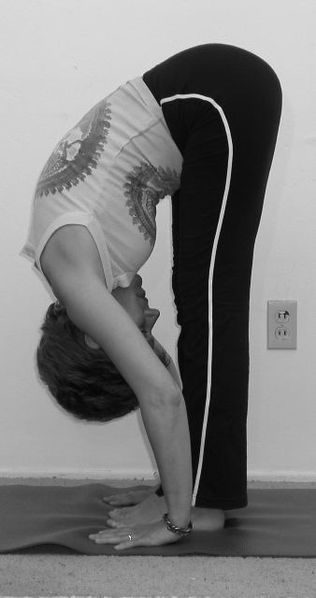
Standing forward bend


Camel pose


Shoulder stand


Vajrasana


The Knee to Chest (Pawanmuktasana)

http://www.healthandyoga.com/html/yoga/asanas/pawanmuktasana1.asp

http://www.healthandyoga.com/html/yoga/asanas/pawanmuktasana2.asp

Apart from practicing these yogas, one can try message therapy for hair loss problems. You can take 3-5 minutes of gentle head message by using your fingertips, which will improve blood flow to hair follicles and help hair growth.

Divya Kesh Tail (Hair Oil for Hair Loss, Dandruff and Headache), which is produced by Swami Ramdev’s Divya pharmacy, can be a great cure for hair loss problems. This oil has ingredients like Bhringa-raja, Brahmi, Amalakl (Amala), Shweta Chandana & other constituents.

You can also try Reflexology by buffing of your fingernails of one hand against the other on a regular basis preferably daily twice or thrice for 5 minutes.

Meditation is another way to overcome hair loss problem as it can control stress. Sit in proper pose and observe your breathing.

Friday, January 30, 2009

Yoga for ADD/ADHD

Attention Deficit Hyperactivity Disorder and Attention Deficit Disorder aren’t just for  kids. There may be some of you who are reading this who know you’ve got it and some  who are wondering if maybe you would have been diagnosed as a child. People are  researching the effects of a regular yoga practice on the symptoms of ADD. (ADHD and ADD will heretofore be referred to as ADD. The hyperactivity part is just one of the symptoms of this problem with maintaining focused, sustained attention and it is usually but not exclusively common to young boys. Girls tend to be dubbed “spacey.”) The symptoms of ADD (ADHD) are described in the Diagnostic and Statistical Manual of 

Psychiatric Disorders as meeting six or more of either 1) Inattention or 2)Hyperactivity/Impulsivity Symptoms and must have persisted for at least 6 months to a degree that is maladaptive and inconsistent with an individual’s developmental level.

1. Inattention 

often fails to give close attention to details or makes careless mistakes in  homework, work, or other activities - often has difficulties sustaining attention in tasks or play activities - often does not seem to listen when spoken to directly - often does not follow through instructions and fails to finish schoolwork,  chores, or duties in the workplace  (not due    to oppositional behavior or failure to understand instructions)-often has difficulties organizing tasks and activities -often avoids, dislikes or is reluctant to engage in tasks that require sustained mental efforts -often loses things necessary for tasks or activities (toys, school assignments, work materials, planners) - is often easily distracted by extraneous stimuli - is often forgetful in daily activities

2. Hyperactivity/Impulsivity

  Hyperactivity

often fidgets with hands or feet or squirms in seat - often leaves seat in classroom or in other situations in which remaining seated is expected - often runs about or climbs excessively in situations in which it is inappropriate for children (in adolescents or adults, may be limited to subjective feelings of restlessness)    often has difficulty playing or engaging in leisure activities quietly -is often “on the go” or often acts as if “driven by a motor” -often talks excessively

 Impulsivity

 often blurts out answers before questions have been completed  - often has difficulty awaiting turn - often interrupts or intrudes on others (butts into conversations or games) 

There is a particular area of the brain that controls the above symptoms and it is the  prefrontal cortex. A PET scan reveals decreased activity in this area. The prefrontal lobes do not light up as much as a normal brain on this scan. Interestingly, as intuitive human beings, we decided that we are “adults” at age 21. That just happens to be when the prefrontal lobes have finally matured. Actually it is closer to 24 in males. That is why when you look back on the years before 21, you wonder how you could have make some of those stupid decisions and assumptions. Some of you may wonder how you actually survived intact. Well, you just weren’t working with a full deck yet. That’s why children need parents through those years when they think they know everything, sometimes to literally keep them alive. Having birthed three children in four years, there were a lot of teens around the house for a decade. There was a sign on the refrigerator that said, “Quick! Leave home now while you still know everything!” It was a great diffuser. Children and teens with ADD act on their half baked ideas and may actually seek out dangerous activities.

Things are interesting to us when we can give them our undivided attention. Even watching ants take food twice their size across a sidewalk can be fascinating to someone who can stay with the ant’s feat. People with ADD don’t find much in life interesting because they just can’t stay with it. However, if what they are doing is thrill-seekingly dangerous, the ability to focus is forced by the instinct to stay alive. Sensation seeking becomes a way of life for many boys who have ADD because finally they can focus on something. What we focus on, to the exclusion of everything else, we enjoy.

Pharmacological interventions, when they are right for an individual, can work like flippin’ magic. Being in a position where I can discuss the effects of medication with children, I do every chance I get. Comments like, “It is like the teacher is talking just to ME!” and “I am a new Jeremy!” attest to the increase in self esteem that some children have. The effects of medication range from instantaneous to the time it takes to get the right dose and type of medication. Sometimes meds don’t work because ADD isn’t the root problem. Most adults who have a psychiatric diagnosis also had problems focusing attention when young. We are pretty complicated beings. Medication can be extremely helpful for ADD. However, it is most helpful when it is part of a comprehensive behavioral plan that can foster life-long skills.

Yoga is an extremely valuable life-long practice that fosters the development of the entire physical body, the higher mental functions (to include the prefrontal cortex), as well as the spiritual body. The effects of a regular yoga practice on ADD/ADHD are not immediate like pharmacological interventions. However, they are profound and can stay with an individual forever, unlike a dose of medication that wears off. Dr. Cantwell, past director of the UCLA Child Psychiatry department described the life of an ADHD youngster as a “headlong rush into life.” Accidents and poordecisions sometimes cause serious consequences. Some such children don’t have a sense of where their bodies are in space and they suffer bodily injury far more often than the average child.


The phenomenon of knowing where your body is in space is called proprioception. It is a feedback mechanism that keeps us safe and functioning efficiently. Yoga is an awesome way to learn proprioception because the asanas are performed with awareness and there is ample time for feedback from both the teacher and the student. For example, when teaching a child to stand like a mountain, a teacher would say, “Now look down at your feet. Are they standing just the same? Now look up at your arms. Are they reaching up just the same?” Amazingly, some children have no idea where they are in space and surprise themselves at how much adjustment they need to make. When the whole body is involved in learning, brain function is enhanced by the integration that is coming in from the senses. Bilateral stimulation of the two sides of the brain with a prescribed flow of activity, such as a Sun Salutation, helps brain integration and makes the brain more efficient for learning. The yoga class itself is constituted by a prescribed ritual that is comforting for scattered minds. A class for these children perhaps begins with arranging your mat space, sitting on the mat, and preparing for the opening breathing practice, a Peace Breath. Peace Breath is a series of a full breath in, coordinated with the raising arms, and a slow out breath as the arms come down, palm to palm to the center of the body. The teacher suggests to the children that they bring all their attention and energy into the body as the hands come together. Next they might “pick grapes.” From their seated position, the hands reach up but this time cross the midline of the body as they reach up and over. Crossing the midline of the body enhances brain integration also and helps with balance.


Balancing postures are many. The children learn to balance on one foot, on their hands, and on their heads in a variety of ways. All balance postures require a focused mind. The children learn to first attend to alignment and a visual focus before moving into the balance posture. They learn the effect that talking, laughter and looking at someone else has on balance because they quickly loose it. They get instant feedback from their bodies. They know the mind affects the body. And because their minds are distractible, they seem to entertain multiple thoughts at once, or at least very few to a conclusion. Video games and television programs are enjoyable to these distractible minds because the field changes so very quickly. The next time you watch TV, count the number of seconds before the picture changes. Dr.Cantwell cautioned parents to severely limit video game and TV time because it reinforces the ADD symptoms. In yoga class, the children learn to be aware of the thoughts of the mind field and learn that they can choose to give their attention to the ones that are useful at the time. They learn that they do not have to continue to think a thought that is not useful or that can get them in trouble. This fosters the development of the executive center of the brain.


Written by Carolyn Reynolds

Monday, January 26, 2009

Get a grip on Panic Attacks

Jeff was sure he was having a heart attack. His heart was pounding faster than it ever had before. His chest ached and the pain radiated toward his left arm. He felt shaky. As he tried to focus on what was happening to him, the world grew distant and unreal. Anxiety welled up. Jeff managed to call his physician, who arranged for quick transport to the emergency room. There, however, a battery of tests failed to reveal the cause of his symptoms. A second attack occurred a few days later, and still no physiological cause could be found. Before long, panic attacks had become part of Jeff’s life.

Recognizing Panic Disorder
Everyone sometimes feels anxious for no identifiable reason. At these times we think, “Something is happening—I must stay alert.” Panic victims share these feelings, but for them the stakes are higher. Their distress is so overwhelming that the fearful possibilities take on mammoth proportions. “I’m having a heart attack,” they think, or “I’m losing my mind.” We all experience periods of vague anxiety, which often pass without our ever discovering or having to acknowledge the causes. Panic anxiety, however, is the cue for a determined (and often desperate) search for a source.

Panic attacks are characterized by rapidly escalating and overwhelming anxiety. In the beginning, panickers are rarely able to identify what has made them anxious, describing the episodes as occurring “out of the blue.” The attacks are triggered by frightening physical sensations that occur suddenly, much like an unconscious reflex. Among the most common are shortness of breath, a rapid heart rate, heart palpitations, sweating, trembling, a feeling of choking, chest pain, nausea, and dizziness. Frightened sufferers develop painfully sharp sensitivity to these sensations, often making several trips to the emergency room before they finally realize that their symptoms are panic-related.

Physical sensations alone are not the core of the illness. Fearful thoughts, unpleasant emotions, avoidant behaviors, disturbing sensations, and deteriorating relationships all collude with one another to maintain panic. Thoughts such as the fear of dying or of having a mental breakdown are common. Even mild anxiety can trigger an attack, and any disturbing emotion can be interpreted as a precursor to full-fledged panic.

Gradually, the fear of having an attack in public leads the panicker to avoid those places—a disorder known as agoraphobia. Problems in relationships, which may have been the original source of anxiety, become worse as panic episodes develop. Difficulty with self-assertiveness and with the resolution of conflicts increases. Friends and partners are often frustrated because they cannot understand what is happening.

The Road to Recovery
Fortunately, panic disorder can be treated successfully, frequently with a combination of psychotherapy and medication. Panic sufferers are now turning to yoga for help as well, for yoga offers a wide range of stress-reducing tools. An ancient model of recovery can be found in the Yoga Sutra of Patanjali, one which is also embodied in the Four Noble Truths of the Buddha. In its briefest form, this model is an outline of the stages in the healing process, presented here as four questions:

1. What is the nature of the pain that all humans experience?
2. What is the cause of that pain?
3. What will be experienced when the pain is removed?
4. How can the pain be removed?

Yoga tells us that before searching for a cure it is important to look deeply into the nature and causes of illness. It is also important to get an idea of how things will be when symptoms have been removed, because otherwise we may have illusions about what recovery will be like. For example, eliminating anxiety is not the outcome of treatment for panic—the outcome is the ability to manage anxious feelings.
If we rewrite the four questions of the ancient model, focusing on panic attacks, they might read:

1. What is panic disorder?
2. What causes it?
3. What will life be like for the person who has overcome panic attacks?
4. How is recovery accomplished?

Looking for a Cause
Biologically oriented physicians have tended to attribute panic symptoms to problems of the nervous system. Jacob DaCosta, a Civil War physician, set the tone when he wrote, “It seems to me most likely that the heart has become irritable from its overreaction and frequent excitement, and that disordered innervation keeps it so.” This focus on biochemistry and physiology led to the development of tranquilizers.

Not long afterwards, Freud identified a form of anxiety that appeared in discrete, time-limited episodes. “An anxiety attack of this sort,” he wrote, “may have linked to it a disturbance of one or more of the bodily functions—such as respiration, heart action, vasomotor innervation, or glandular activity.” Nearly one hundred years later, this focus on the emotional component of panic has resulted in the psychiatric diagnosis called Panic Disorder.

More recently, clinicians have been exploring the role of disturbed breathing in panic attacks. As early as 1950, the physician R. L. Rice maintained that anxiety attacks were often the result, not the cause, of disturbed breathing; now psychotherapies for panic that include breath training are state-of-the-art. (Even so, very little training in this area is available to clinicians.)

Those who are familiar with yoga will recognize the classic body-breath-mind triad in these three points of view. But if a single cause for panic disorder exists, it has yet to be discovered. Instead, these three areas seem to interact with one another, forming feedback loops that grow larger if not addressed in some way.

For example, if someone is afraid of going to public places, then self-esteem plummets, fears increase, opportunities for relationships are limited, and panic-prone factors such as the fear of being labeled “incompetent” grow. Conversely, if the fear has been overcome, then self-esteem improves, fearful thinking is reduced, opportunities for relationships expand, and panic-prone factors are undermined.

The First Steps to Recovery
We have already seen what panic disorder is and we have a general idea of what causes it. Our next step is to discover how yoga, coupled with clinical experience, can help panickers take the steps necessary to recover. The first priority is to manage the frightening physical sensations accompanying panic attacks, because they will make any other work impossible. Panickers walk on pins and needles attempting to avoid the sudden, uncontrollable symptoms of their disorder, and because these involve rapid arousal of the nervous system, it is imperative to find ways to strengthen the nerves and calm anxiety.

Arousal is subtle and is triggered in a number of ways, but the key to calming it is to learn how to “talk” to the nerves, how to communicate across the great divide between voluntary and involuntary functioning. Once the panicker has learned to manage involuntary reactions, the sense of being out of control is enormously reduced.

Yoga training can be particularly useful here, for yoga teaches us how to interact with the nervous system. If we want to soothe and strengthen it, we need to learn deep, relaxed yogic breathing. Regardless of the pathways of arousal, breathing is the language of nervous system balance and control.

To illustrate this relationship, imagine how you would react if you were walking along a dark street, and a pointed object were thrust suddenly into your back. You might gasp, then tense your whole body. Gasping is the natural reaction to sudden fear. If you discovered that the attacker was only a friend playing a joke, you might sigh with relief. Then your breath might become agitated as your fear turned to irritation. The way you breathe reflects how you feel.

This relationship between breath and nerves is a two-way street. Just as emotions create changes in breathing, so changing our style of breathing can alter the way we feel. Breathing is the only involuntary function that can be easily and voluntarily controlled. During times of panic, relaxed, controlled breathing will give us immediate access to the nervous system. This means that by changing our breathing, we can change the condition of our nerves when tension disturbs and frightens us. Then, when breathing is relaxed and the panic response has been calmed, the underlying anxiety can be gradually brought to conscious awareness for processing.

Learning Relaxed Breathing
Practicing yoga is a good way to learn breathing skills, for it is a gradual process, often needing considerable support over a period of time. Yoga teachers quickly recognize when a student is having trouble (as is often the case with panickers), and they know a wide variety of alternate practices that will help the student master breathing skills.

The ultimate goal of breath training is to make smooth, diaphragmatic breathing a twenty-four hour habit. The corpse pose (lying on the back) and the crocodile pose (lying on the stomach with arms folded under the forehead) are both helpful training postures. Breathing with a ten-pound sandbag on the upper abdomen while lying in the corpse pose will help to strengthen the diaphragm and serve as a reminder to focus on the abdomen as well. In addition, it is helpful if the panicker learns to pay attention to breathing as often as possible during the day. Notice when the breath stops, notice when it jerks, for once an irregularity is obvious, it can be corrected. This practice not only fosters awareness, it makes the relationship between stress and breathing abundantly clear.

Panickers will find that diaphragmatic breathing not only calms the effect of arousal at the time of panic, it also provides an alternative focus for attention, allowing them to focus on their breathing instead of on the panic symptoms. As diaphragmatic breathing becomes a habit, the nervous system is less susceptible to panic in the first place. It usually takes about two weeks to become accustomed to the feeling of diaphragmatic breathing, and about six months of regular practice to make it a habit.


Special Problems in Breath Training

There are a few potential problems that panickers may experience during breath training, and it is well for both student and teacher to understand them at the outset. The most common is that panickers have often developed a highly self-vigilant style that can lead to performance anxiety. (“Is it supposed to feel this way?”) Micro-managing has become a way of life to panickers. The teacher needs to be warm—reassuring but firm, letting the practice do the teaching, without becoming over-analytical. Breathing does not need to be perfect to be good enough.

Sometimes panickers carry a great deal of physical tension in their bodies, and in these cases the natural unblocking effect of yoga stretches and postures can be helpful. Releasing abdominal tension while resting between postures promotes deep breathing. Covering the body with a blanket during relaxation and breath training can ease the feeling of being exposed or vulnerable.

A knot may sometimes form in the abdomen during panic attacks, making breathing difficult. As the attack continues hunger for air increases, but despite the need for air the panicker may feel that holding the breath is the way to “catch” it. Relaxed, continuous breathing, on the other hand, releases the unconscious tension created by holding the breath, and with practice it is possible to actually breathe through the knot that forms in the stomach during periods of anxiety. As increased awareness makes it possible to recognize tension early, it becomes easier to remain relaxed. To establish a smooth, unbroken flow of breath, the teacher might say, “When you come to the end of the inhalation and your abdomen has fully expanded, simply relax and let the exhalation begin. When you come to the end of the exhalation and your abdomen has contracted, simply relax and let the inhalation begin. Let each breath flow into the next breath by relaxing.”

Beyond Diaphragmatic Breathing
Many therapists have begun to use breath training in their work with clients, but few have been trained to teach more than the basics of diaphragmatic breathing. Yoga, on the other hand, offers many additional breathing and relaxation skills that can help recovering panickers. Perhaps the most effective of these is nadi shodhanam (channel purification). As its name suggests, nadi shodhanam works to unblock tensions and resistance in the energy-conveying channels of the physical and subtle bodies, thus calming and strengthening sensitive nerves.

Normal breathing carries away wastes and brings in fresh energy with each breath. As energy is brought in, it must be assimilated and distributed efficiently in order to fulfill the purpose of breathing. That’s where nadi shodhanam comes in. The process of channel purification slows breathing down and focuses our attention on its flow. At the same time, according to yoga masters, this practice cleanses the subtle vessels through which physical and mental energy is passing. As these vessels become cleaner, energy moves with less effort, and its distribution and assimilation within the mind and body are improved. The result is reduced tension in the nervous system as well as a calmer mind.

Nadi shodhanam is not the only yoga tool for deepening relaxation. Techniques combining postures, breathing, and systematic relaxation kindle a sense of confidence in us no matter how much daily life seems to bend us out of shape. Exercises that relax both muscles and joints, as well as the 61-points relaxation exercise, lead further toward relaxed self-awareness. These techniques can be taught once students are familiar with the beginning practices. (For a detailed description of nadi shodhanam, see the Yoga International reprint “Balancing Active and Receptive Energies: The Practice of Nadi Shodhanam.”

Expanding the Recovery Process
Along with breath training, panickers need to begin the process of resolving their fears. Sometimes they do this work on their own or with the help of friends and family members. Often, however, a period of psychotherapy is needed because the worries and stresses that initially contributed to the onset of panic require objective attention. Before treatment these factors are outside of the panicker’s awareness for some reason. As recovery continues, however, they become the proverbial elephant in the living room—there is no way to avoid noticing and dealing with them.

Often the stresses that are most difficult to recognize have to do with significant relationships. A question that can elicit awareness is, “Am I avoiding conflicts within myself?” As one panicker continued in recovery, for example, he was able to explain that his younger brother, who was in line to become a co-partner in the family business, was performing very poorly. Despite many signs to the contrary, the younger brother continued to imagine that he was doing well at his work. Addressing this problem raised many fears, for it would affect a complex web of family relationships. As a result, the older brother resisted speaking up and began having panic attacks instead.

There are many possible causes of panic attacks—stressful relationships, past traumas, fear of separation from loved ones are among the most common. One panicker’s attacks began when her husband’s promotion resulted in his being away from her and their infant twins at night. Pleased about the promotion, the husband had not been willing to see the effect it was having on his family, and the wife had not been able to express her fears directly. In the course of psychotherapy, this woman learned that finding practical ways to expand the scope of awareness and implement stress-reducing changes (ask for them, create them, or compromise for them in some way), although difficult, was the most satisfying process in the entire recovery.

There will inevitably be leaps forward as well as setbacks while recovery continues. This is natural, for the recovering panicker is learning to work with him- or herself in an entirely new way. Whether or not the panicker is undergoing psychotherapy, the psychological insights acquired through yoga can make a profound contribution to this process. A young student once remarked, “Yoga stands for You Oughta Get Aware,” because it provides such a wide range of tools to help everyone, including recovering panickers, do just that.

The Role of Meditation
In addition to the body and breath, yoga works with emotions, mental images, thoughts, and relationships, seeing them all as part of an integrated whole. During meditation, for example, a normally disturbing image arising in the mind is greeted by a very different reaction than might otherwise be the case. Now the body remains rested and still; the breath sends messages of steadiness and balance to the emotions and nervous system. Though the image might seem upsetting at another time, now the meditator can witness it with equanimity. This neutral reaction allows time and space for the image either to be processed or to pass through the mind without disturbance.

What is more, meditation seems to pace itself; it allows the mind to gradually gather strength before bringing up the images that might prove most frightening or challenging. Trivia can be dismissed, but the thoughts and images that persist are the ones that have important consequences to us. For instance, suppose I begin to recognize a deep-seated unhappiness with my work, but at the same time I see no other way to support my family. This conflict haunts me, affecting my work and frustrating my family relationships. Panickers may force themselves to push such conflicts out of awareness because they cause a discord that seems unresolvable. Meditation will allow them to recognize it with less fear so that they can see their way through the problem.

Conflict Resolution
Yoga psychology also suggests many techniques for resolving conflicts, including acknowledging and accepting the conflict in all its depth; recognizing the need for some kind of change; resisting the inclination to act out feelings or to do nothing; exploring alternatives; communicating with others without blaming them; accepting feedback from others; using discrimination in accepting or rejecting alternatives; surrendering to necessary losses; acting with determination; accepting outcomes with equanimity; working calmly on a problem even if a negative outcome, or no outcome, seems inevitable; and letting intuition suggest new possibilities. These strategies are derived from what in yoga are called the yamas and niyamas—the attitudes toward life that are the basis of all yoga practices.


Finding Refuge in Our True Nature

Ultimately, yoga provides a philosophy that places the relationships between body, mind, and spirit in a new perspective. The Bhagavad Gita, a classic yoga text, tells us that “No one has the power to bring to destruction this unalterable entity [our true inner self]. . . . The body-bearer in everyone’s body is eternally undestroyable.” Anxiety arises from attachment to passing and impermanent things, but the more we are aware of our own true nature, the less anxious we become.

Yoga gives us a practical tool for working at this level of awareness—the mantra. This is a word or phrase that can guide and protect us. It serves as a focus of attention in times of panic, and it is a resting place for awareness leading to our true nature. Through its connection to the deep spiritual resources that lie within us, the mantra pacifies fear and encourages us to persist in the face of disturbing thoughts and upsetting emotions.

We cannot prevent life from changing. Life is inherently unstable. But during periods of change we can have the courage to identify and express our needs. We can look for ways to surrender gracefully to the inevitable. We can trust, through our experience of yoga, that the essential Self within us will guide us through the emotions of change successfully.

Dr. Rolf Sovik is a licensed clinical psychologist in private practice in Buffalo, NewYork. He has been practicing and teaching yoga for more than twenty year

A Wonderful Collection of Yoga Jokes!

Q. What did the yogi say to the sandwich vendor at the ball game?
A. Make me one with everything!


After the man received his sandwich, he gave the vendor a $20 bill. The vendor just smiled. The
man, infuriated, demanded, "Where is my change."
The vendor replied, "O, one with everything, change comes from within."


Q. What did the yogi tell the door-to-door salesperson who came to his home selling vacuum cleaners?
A. Too many attachments!


Q. How many Iyengar yogis does it take to replace a light bulb?
A. Only one !


BUT, they will need:
a sticky mat
a backless chair
two blocks
five blankets
a bolster
six ropes
two belts
six assorted benches
a bandage
a slant board
two quarter rounds
three weights
one wooden horse
a certificate


Q. What did the sign in the window of the yoga master searching for a new disciple say?
A. Inquire within!


Q. Why did the yogi refuse anesthesia when having his wisdom teeth removed?
A. He wanted to transcend-dental-medication!


The Lone Bat
A group of bats, hanging at the ceiling of a cave discovers a single bat STANDING upright underneath on the floor of the cave. Surprised by this unusual behavior, they ask this fellow: "What's wrong with you? What are you doing down there?" And the fellow shouts back: "Yoga!"


Meditation
Two good old friends were meeting. "How are you and your family?" asks the one. "Oh we're all fine". The other one answers, "We're all healthy and have work to earn our lives. But how 'bout your son?? is he still workless??" "Not at all", the first one answers, "He's doing meditation now." "Meditation? What's this? What is he doing?" "I don't know it exactly," the first one answers again, "But I'm sure it's better than just sitting down and doing nothing!"


Knock knock
Knock knock
Who's there?
Yoga
Yoga who?
Yoga to try this, it feels amazing.


Gifts
On the anniversary of his birth, devotees of a certain yogi asked what gifts they might bring.
The yogi replied "I wish no gifts, only presence"


--previous in Yoga.com and also Sims Central (who gives credit to Roots and Wings).

A young woman who was worried about her habit of biting her fingernails down to the quick was advised by a friend to take up yoga. She did, and soon her fingernails were growing normally. Her friend asked her if yoga had totally cured her nervousness. "No," she replied, "but now I can reach my toe-nails so I bite them instead." --author unknown

Yoga police: "You have the right to remain silent!"

Kundalini Yogi sharpshooter: "Ready, aim, fire!"

Don't just do something -- Sit there!

Time is the best teacher, although it kills the students.

My karma ran over my dogma....

Elbert Hubbard: "We are punished by our sins, not for them."

When asked what gift he wanted for his birthday, the yogi replied "I wish no gifts, only presence"

Some people talk about finding God, as if He or She could get lost.

Q: What do yoga meditation and an apple peeler have in common?
A: They both take you to the core.


Q: How many contemplative monks does it take to change a light bulb?
A: Three. One to change the light bulb. One to not change the light bulb. One to neither change nor not change the light bulb.


In yoga, it's just one thing after another -- breath, breath, breath

Q: How many yogis does it take to change a light bulb?
A: Into what?


"I think it would be a good idea." --Mahatma Gandhi when asked what he thought about Western civilization)

The enlightened ones have no boundaries, but respect those of others.

Change is inevitable, except from vending machines.

Lily Tomlin: "Why is it when we talk to God, we're said to be praying, but when God talks to us, we're schizophrenic?"

Three Yogis are doing meditative in a remote cave. One day a sound is heard from outside the cave. After about six months, one of the yogis says, "Did you hear that goat?" Once again, there was silence. About a year later, one of the other Yogis says, "That wasn't a goat; it was a mule." Again, there was silence. About two years later the third yogi says, "If you two don't stop arguing, I'm leaving."

Blessed are the flexible, for they shall not be bent out of shape.

--previous from http://swamij.com/jokes.htm.

Bumper Stickers:

Never drive faster than your angel can fly!!"

"I'd rather be in Samadhi"

"Out of body. Will be back in 15 minutes!"


"Warning: Dates in Calendar are closer than they appear."

"As long as there are tests, there will be prayer in public schools"


Meditation - You have the right to remain silent.

Have you heard of the cow who attained liberation (Moksha)?
It was dyslexic and kept on repeating OOOOMMM !


Did you hear about the yogi who was having a filling put in a tooth. When the dentist asked him if he wanted novocaine. The yogi said "No. I can transcend dental medication."

When two psychic friends met, one said:
"You are fine. How am I ?"


Four monks were meditating in a monastery. All of a sudden the prayer flag on the roof started flapping. The younger monk came out of his meditation and said: "Flag is flapping"
A more experienced monk said: "Wind is flapping"
A third monk who had been there for more than 20 years said: "Mind is flapping."
The fourth monk who was the eldest said, visibly annoyed: "Mouths are flapping!"


An aspiring Yogi wanted to find a Guru. He went to an Ashram and his preceptor told him: You can stay here but we have one important rule - all students observe Mouna or vow of silence. You will be allowed to speak in 12 years. After practicing for 12 long years Yoga Asanas, Meditation, a lot of Karma Yoga, etc., the day came when the student could say his one thing or ask his one question.
He said: "The bed is too hard."
He kept going for another 12 years of hard Sadhana and austere discipline and got the opportunity to speak again. He said: "The food is not good."
Twelve more years of hard work and he got to speak again. Here are his words after 36 years of practice: "I quit."
His Guru quickly answered: "Good, all you have been doing anyway is complaining."


How do you make God laugh?
Say: "This is mine".